Furniture for Small Spaces: 6 Architectural Principles That Work in Every Room
This post contains affiliate links. If you buy through them, I may earn a small commission — at no extra cost to you. I only recommend products I’d genuinely specify as an architect.
Furniture for small spaces is not about buying miniature versions of standard pieces. It is about choosing furniture that supports movement, hides storage, and adapts to changing daily needs.
In well-designed small homes, furniture works as part of a system — visually calm, flexible, and intentional.
This article is for anyone furnishing a small apartment, a first home, or a compact rental, and wondering where to start. The principles below apply across rooms: what works in a living room can often work just as well in an entry, bedroom, or home office corner.
As an architect working with small space design, I’ve seen the same patterns again and again. When furniture choices are guided by logic — not trends — even very small apartments can feel generous, calm, and functional.
If you are a step forward: here is my guide about the second layer for a compact and cozy small home, you can read about lighting tips, colors and materials.
How To Use This Guide
Each section below introduces one core furniture principle, followed by examples of how it applies across different rooms. These are not style rules, but structural ideas that work regardless of aesthetic.
You’ll find them useful if you are:
- furnishing a new apartment
- reorganizing an existing one
- struggling with clutter or lack of storage
looking for very small apartment ideas that actually work
1. Invisible Storage: The Backbone Of Furniture For Small Spaces
The most effective furniture for small spaces is often the least visible. Closed, calm surfaces allow the eye to rest — which immediately makes a room feel larger.
In small apartments, open storage tends to look cluttered very quickly. Shoes, bags, coats, cables, and everyday objects multiply visually. Closed cabinets create visual order even when life inside them is not perfectly organized.
At first, when you’d look at the floorplan of a studio apartment and see the area that is occupied by a built-in cabinet – it may seem to be a big waste of space..- But in reality, you won’t need any more cabinet to hide things.
The perception of the space will be just simply bigger and much more clean.
Where this principle works:
Entrance
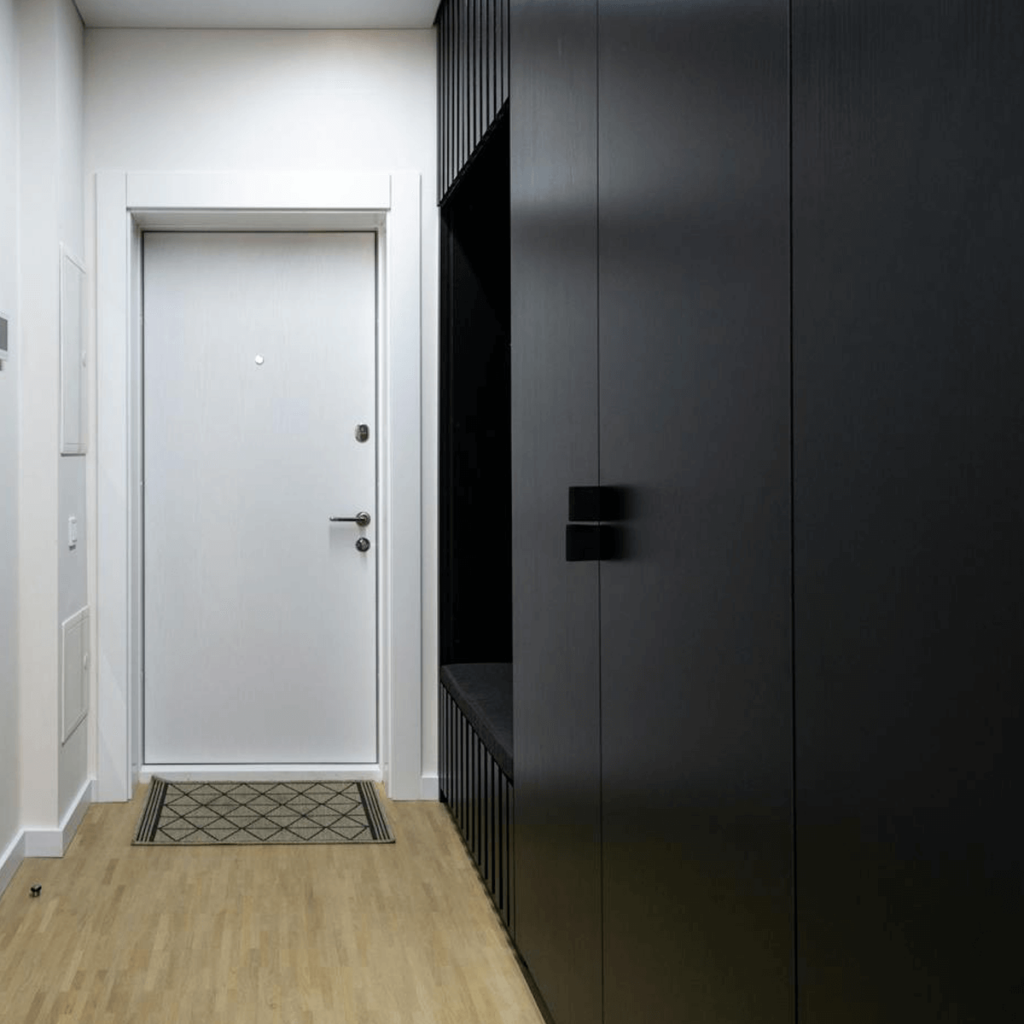
- A built in cabinet to hide everything – it can be slim, with a built-in bench. Plenty of space to hide clutter.
- Slim, wall-mounted shoe cabinets or fold-down units keep floors clear.
Living room
- Closed TV units or sideboards instead of open shelving.
- A wall full of storage space, hidden behind doors. Sometimes bookshelves look cluttered – imagine hiding it behind a nice artwork.
- For a more detailed living room layout rules read this article – it is long and deep!
Bedroom
- Wardrobes with simple fronts rather than exposed racks.
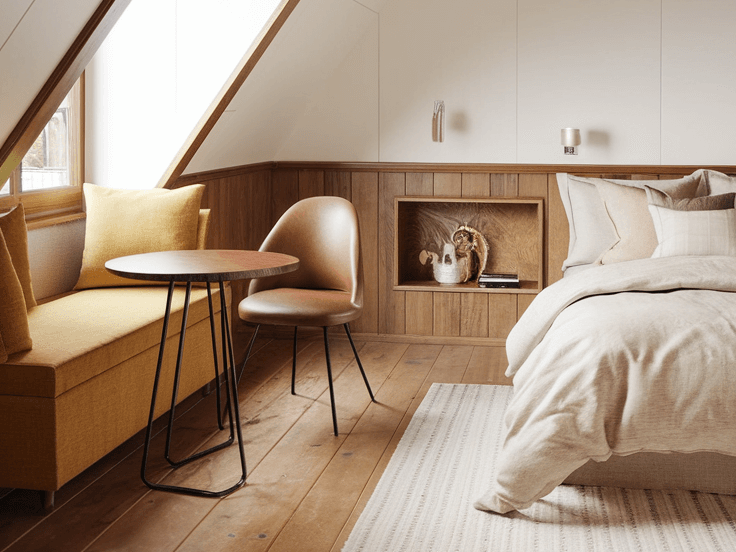
- Niches under the window or the unused space in attics can be used as storage.
Kitchen
- A kitchen storage that absorbs daily tools instead of displaying them is always a good choice.
- In small apartments usually there is no space for a pantry – large, ceiling-high cabinets can hide everything from food to kitchen appliances. It is a good practice in kitchen design to organize all tall cabinets next to each other along a wall – and to have a kitchen island or a long, elegant workplace separately.
- For organizing pantry and food storage, read my article about how to create a good structure for food storage, and for more tips about small kitchens, read this one!
Bathroom
- Above wall mounted toilets there is plenty of space – you can add a vertical built-in storage. Nice wooden panels for doors, niches for decoration – it is up to your taste.
- I have a longer article about storage in bathrooms – if you don’t have a wall mounted toilet, there are other solutions that work well in a tiny bathroom!
This approach is fundamental to small apartment furniture planning: if storage is hidden, the room feels calmer by default.
2. Floating Furniture: Creates Visual Space and Flexibility
Furniture that does not touch the floor — or touches it lightly — makes a room feel more open. This is one of the most powerful tiny space ideas, yet often overlooked.
Floating furniture allows light and air to move beneath it. It also makes cleaning easier and visually reduces weight.
Plus, as wall mounted element – it can not be too big, which fits to the concept of furniture for small spaces. Choosing color is important aspect here – do you want it to disappear completely, or should it be an accent element?
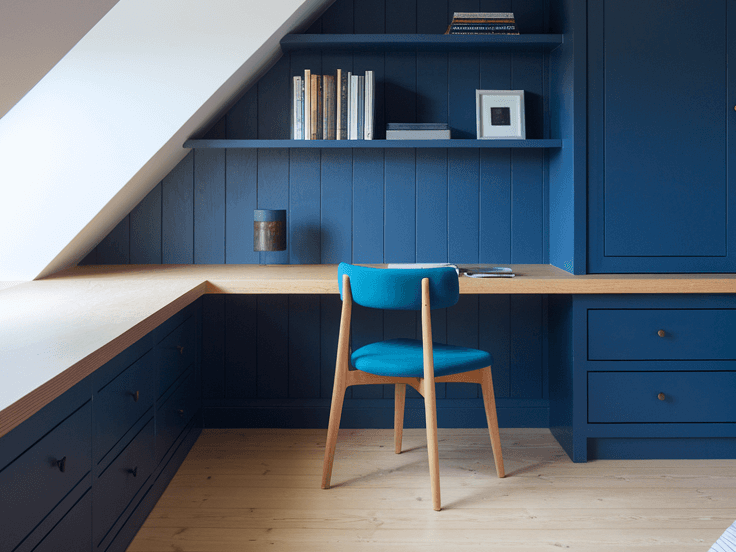
Examples across rooms
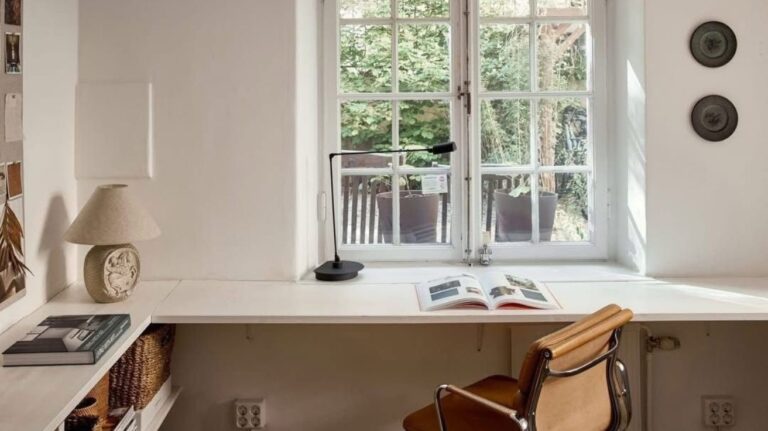
- a floating work desk works equally well in a hallway, living room, or bedroom
- wall-mounted shoe cabinets keep narrow entries usable
- floating bathroom vanities make small bathrooms more easily accessible
- wall mounted TV cabinets – still keep the function, without occupying space of the living room.
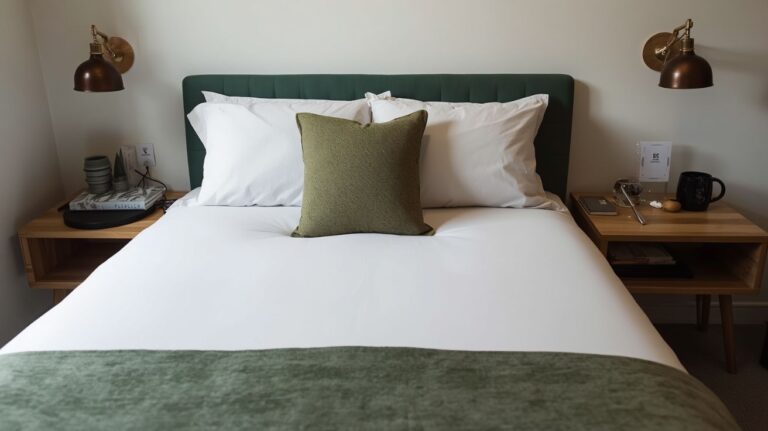
- in bedrooms floating nightstands as minimal bedside solutions
This is a recurring strategy in compact furniture design: reducing visual mass without reducing function.
3. Multiuse Furniture: Quality over Quantity
In small homes, furniture should earn its place. Multiuse furniture reduces the total number of pieces needed — which directly improves circulation and visual clarity.
Instead of one object per function, look for pieces that quietly do more than one job.
Strong examples
- storage sofas instead of standard couches
- storage beds that eliminate the need for extra wardrobes
- daybeds for using them as sofa daylight, and bed at nighttime
- lift-top tables instead of traditional coffee tables, serving as dining tables or work desks
- benches with internal storage for entrances or dining areas
- mirror cabinets in bathrooms above the sink
The key is friction. Furniture should not force you into constant rearranging, packing, or compromises. A piece that technically “does two things” but makes everyday life harder is not a good solution.This logic applies strongly to space saving furniture living room choices, but it is just as important in bedrooms and work zones.
4. Scale and Perception of Furniture for Small Spaces
Oversized furniture is one of the most common mistakes in small room furniture ideas. A piece may technically fit, but still overwhelm the room.
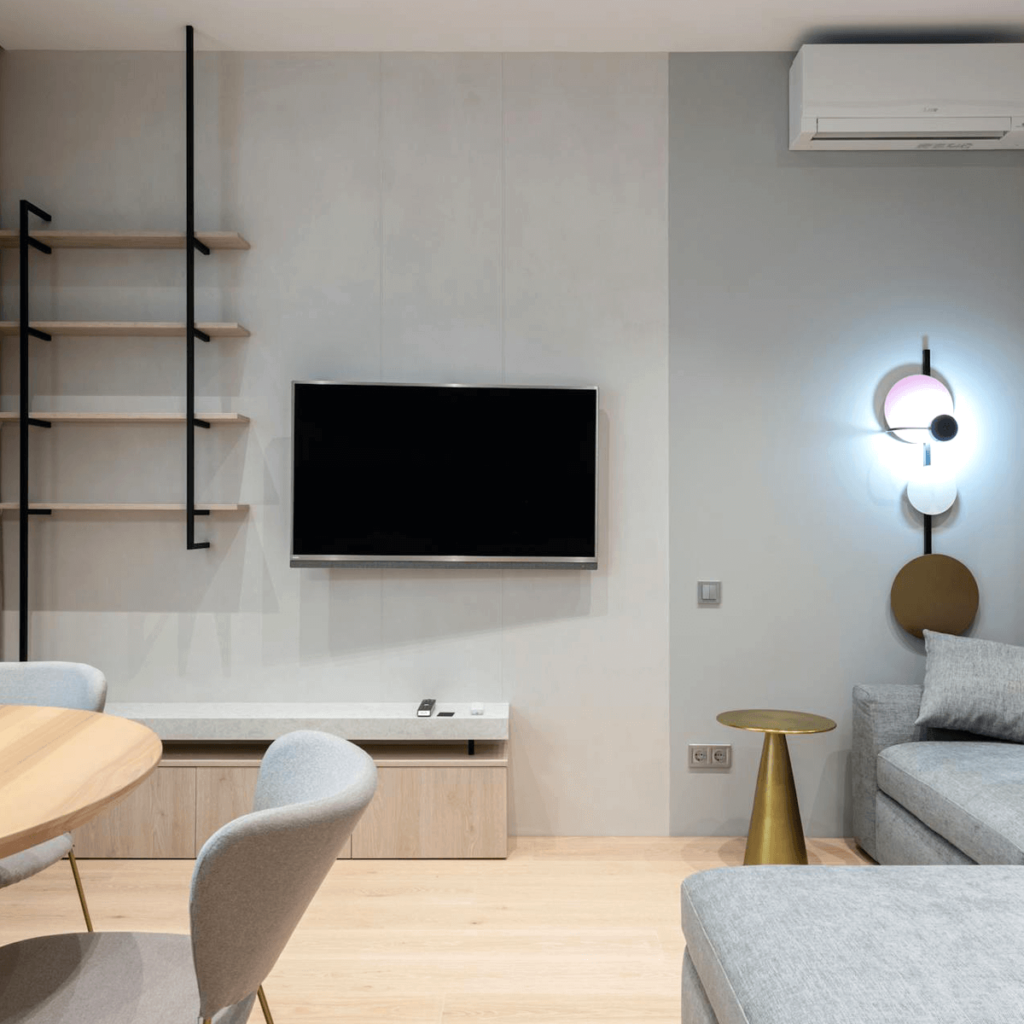
Side note: look at the legs of chairs and tables! I like the playful geometric shapes.
Not just oversized furniture can look “too big”. Some details emphasize the size of the furniture, or some just need more space when using them, or just look better if there is more area around them.
What matters is not only length or width, but:
- leg thickness
- armrest volume
- back height
- visual density
This is a core idea behind small space design: fewer, better-scaled pieces always outperform crowded layouts.
Slim legs, open bases, and simple silhouettes allow furniture to “breathe.” A sofa standing on elegant, higher wooden legs looks more light, than a solid volume sofa. A coffee table next to it matters as well: those two should match to each other.
Glass Or See-through Plastic Furniture
I think here is important to mention glass – what seem to be a good choice at once (letting light through, see-through effect creates the illusion of not taking any space) can be a regret later.
Glass coffee tables, dining tables, or dining chairs made of glass or see-through plastic – I am sure you have seen those. And have seen all “evidence” on its surface, fingerprints, grease.
Most importantly, glass needs to be cleaned regularly in order to look good.
Secondly – quality materials are heavy, and once it is in your apartment, you won’t want to move it, when it would be needed to use the room differently. It seems to be fragile and not mobile.
Other problem with glass in my opinion is, that it feels rigid – for creating a cozy atmosphere, aim for different materials, like wood (in furnitures).
I am not saying that you should not use glass – just to be very intentional about it, know your and your family’s habits before you commit to a glass piece. Of course, it can work well in small or larger spaces, if combined smartly.
5. Less Is More: Fewer Tools And Belongings Needs Less Space
Own less, live better: furniture follows lifestyle. No furniture solution can compensate for too many things.
One missing but essential principle: the amount of furniture you need depends on how you live, not on what is available to buy.
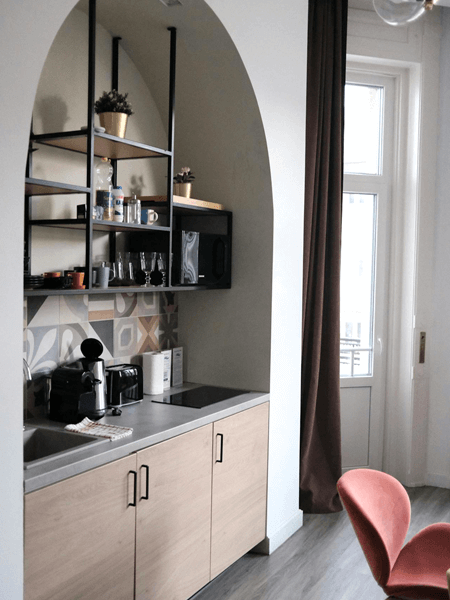
In many homes, reducing tools is the most powerful space-saving move:
- fewer kitchen appliances
- fewer duplicate seating pieces
- fewer decorative objects competing for attention
Take a look at your wardrobe – when was the last time, when you bought something? And the last time, when you donated, or sold?
This mindset supports better furniture for small spaces decisions and aligns with long-term flexibility. Furniture should respond to habits — cooking frequency, working from home, hosting — not trends.
Reducing quantity among the everyday items you use:
- makes storage work better
- lowers visual stress
- creates mental calmness
- improves circulation
This mindset is essential for tiny space ideas that actually last beyond the first few weeks.
I wrote earlier about my pantry organization – if you would like to find out, what is the best structure for your food storage, read this!
6. The Final Layer: Textiles, Artwork, and Plants
Accessories are not just decoration. In small homes, they support zoning and scale.
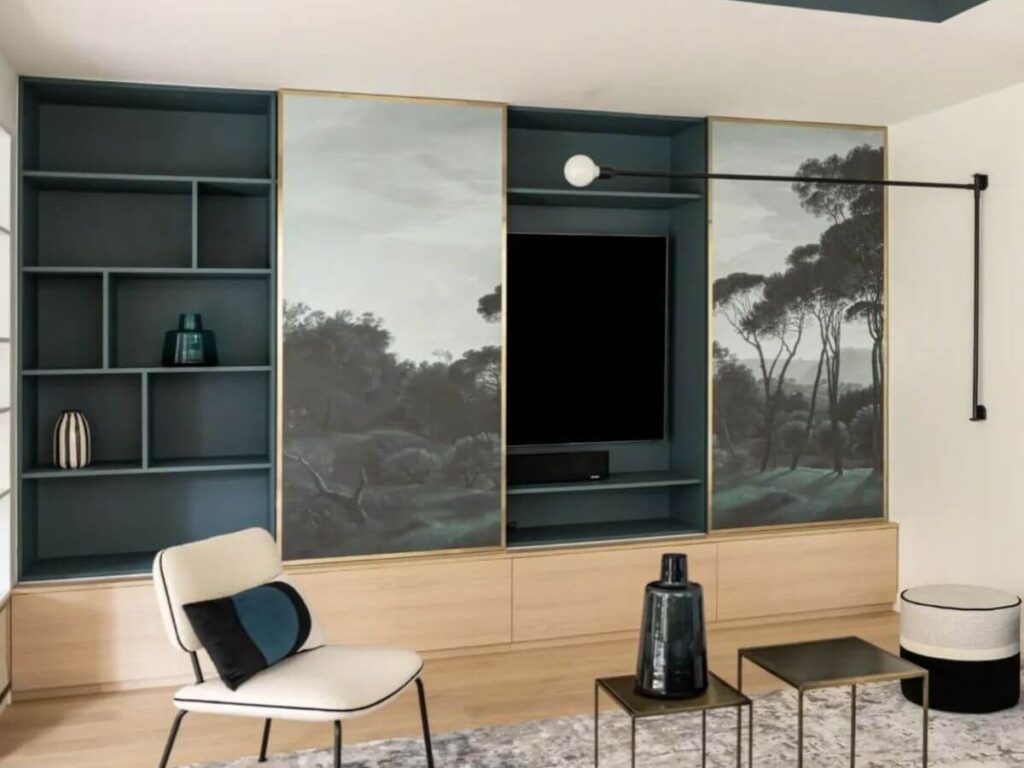
In small apartments, accessories work best when they have a clear purpose:
- rugs define areas in open layouts
- textiles soften acoustics and improve comfort
- artwork placed intentionally emphasizes certain parts of the room
- plants add depth and natural contrast
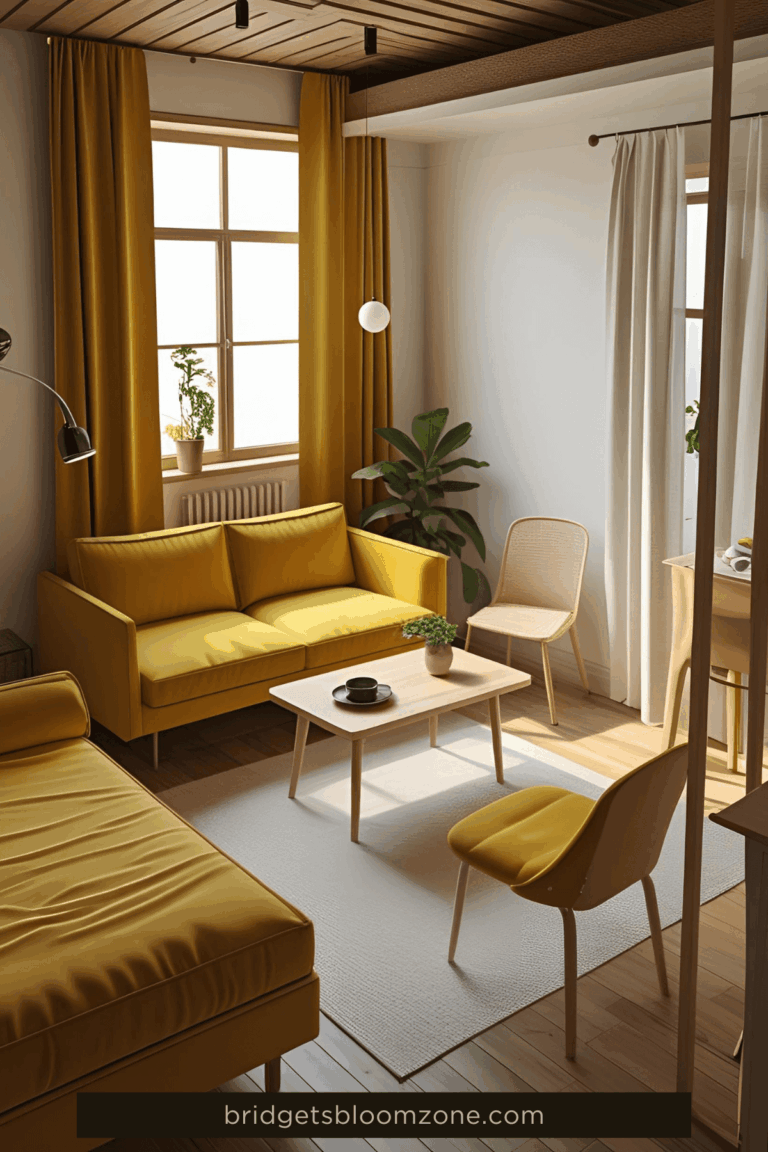
- light curtains function as visual dividers between different zones of a studio apartment
Used sparingly, these elements enhance structure rather than compete with it — an important principle in tiny space ideas.
Quick Summary: Furniture for Small Spaces, Simplified
- choose hidden storage first
- floating furniture whenever possible
- invest in multiuse furniture
- prioritize scale over quantity
- reduce the number of tools you own
- let decor reinforce layout
These six architectural principles work in every room because they are based on movement, perception, and daily habits.
Takeaway
Good furniture for small spaces is not about sacrificing comfort or personality. It is about making intentional choices that support how you actually live.
If you’re planning a new layout or rethinking an existing one, start with these principles — and build from there.
If you’re rethinking your apartment right now, ask yourself:
Which piece of furniture causes the most friction in your daily routine?
That answer is often the best place to start.
If this article helped you rethink your space, I’d love to hear:
Which room feels the most challenging in your home right now?
Source of the images in this post: pexels.com
Pin it for later: