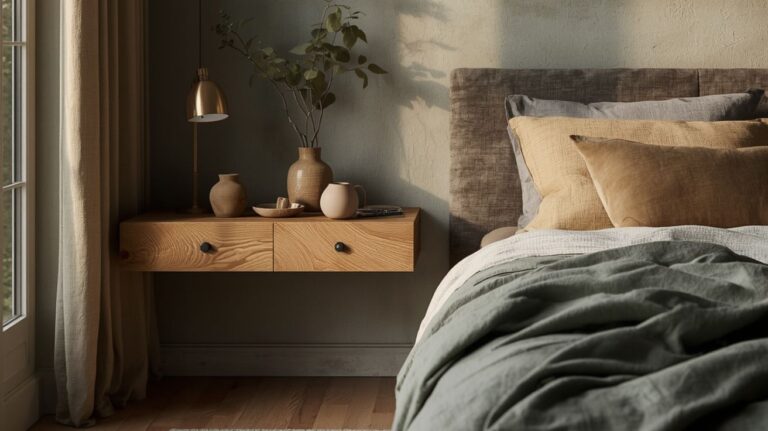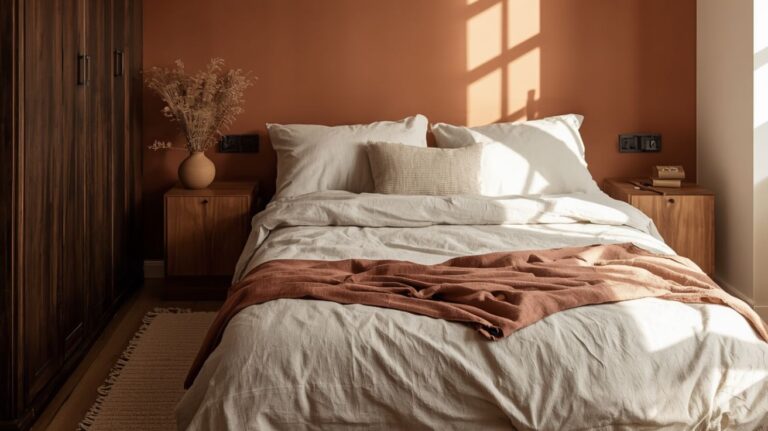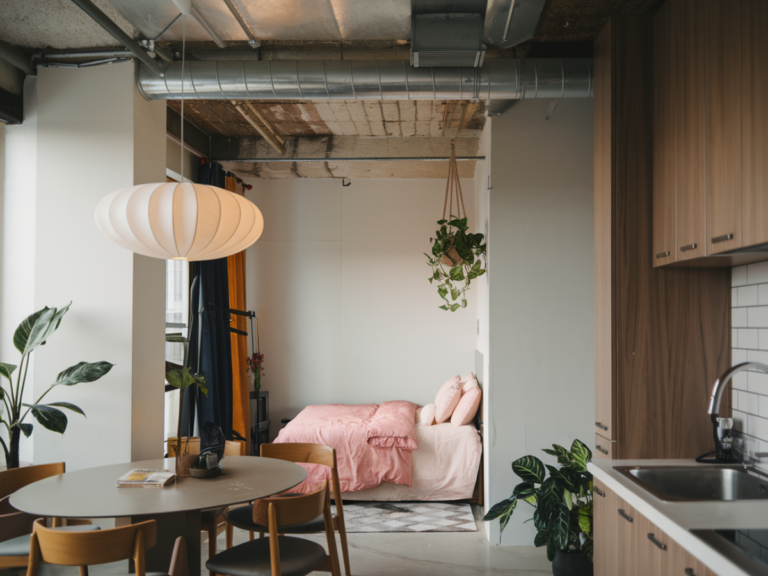
Accent Wall Bedroom: How to Choose the Best for Your Space
This post contains affiliate links. If you buy through them, I may earn a small commission — at no extra cost to you. I only recommend products I’d genuinely specify as an architect.
The apartments and rooms I rented in my mid-twenties didn’t allow painting. No exceptions, no touch-up-before-you-leave clauses — the rules were clear.
The bedrooms were nice and clean. But sometimes you just feel that a space needs something of a character. That constraint pushed me toward a different kind of accent wall bedroom solution: an oversized linen headboard panel in a tone slightly warmer than the white walls. No paint, no wallpaper, no permission required — and the room looked more finished than it would have with a painted wall.
Renter-friendly is not a compromise. It’s a different kind of design discipline.
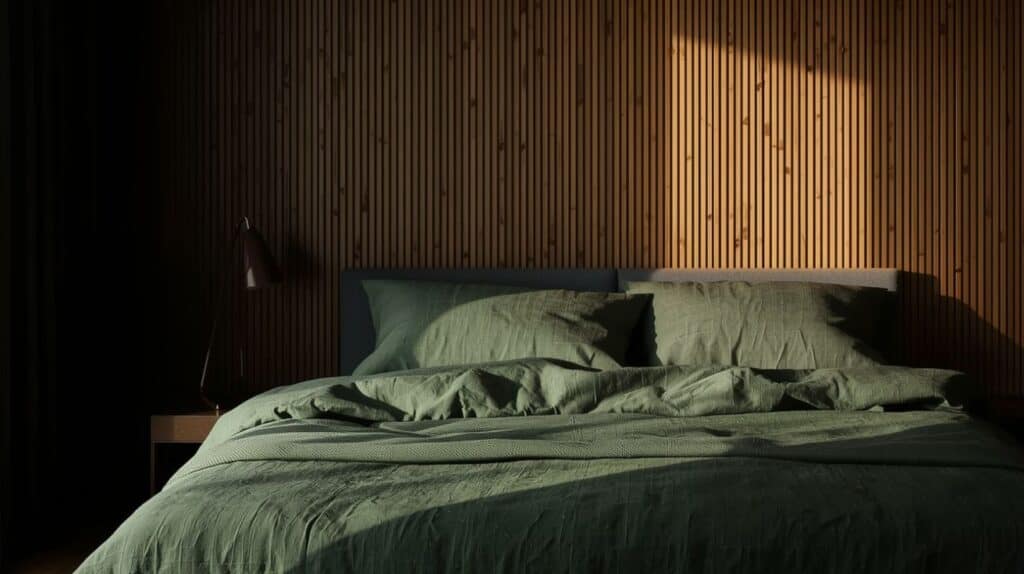
What an Accent Wall Bedroom Actually Does
An accent wall bedroom works on one principle: visual weight behind the bed. Or sometimes a visual weight balancig the bed.
The wall behind the headboard is the primary focal point when you’re standing in the doorway. Drawing the eye to it — whether through color, texture, or material — reinforces the bed as the room’s center and makes the space feel deliberately laid out rather than furnished by default.
Why the Wall Behind the Bed
In most small bedrooms, the bed sits against the longest solid wall.
That wall is what you see when you enter and what you face when you sit up in bed. Treating it differently from the other three walls creates depth without requiring any changes to the floor plan. For a wider look at layout-driven decisions, the small bedroom ideas guide covers how wall placement choices interact with furniture arrangement.
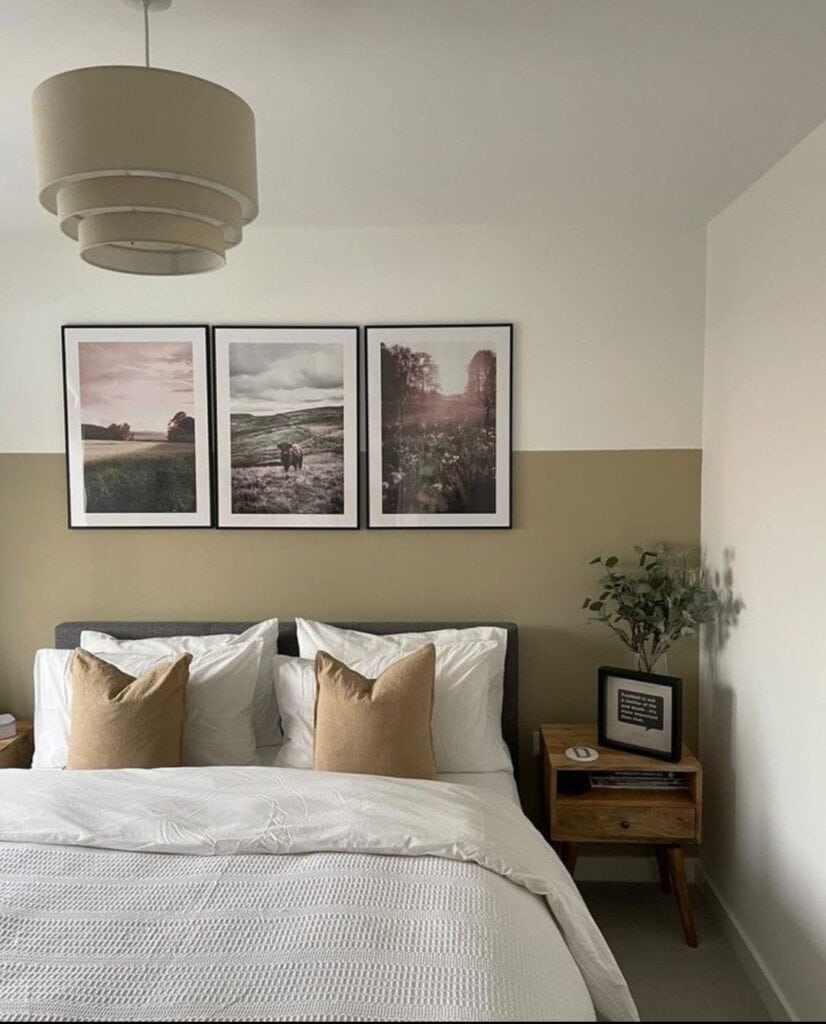
Bedroom Wall Designs That Create Depth vs Those That Shrink a Room
Not every approach to an accent wall bedroom has the same spatial effect.
A dark color on the wall behind the bed tends to push the wall back visually — the room reads longer, the bed feels more embedded.
A light textured treatment on the same wall adds interest without affecting the perceived dimensions. A wallpapered panel behind the bed can do either, depending on the scale of the pattern. Small, dense patterns flatten. Large, open patterns tend to expand.
Note: The ceiling height matters. In a room with a standard 2.4m ceiling, a very dark wall behind the bed can feel heavy rather than dramatic. A warm mid-tone is easier to live with long-term.
Accent Wall Bedroom Options by Treatment Type
The choice of treatment depends on the architecture of the room, whether you rent or own, and how much visual weight you want the wall to carry.

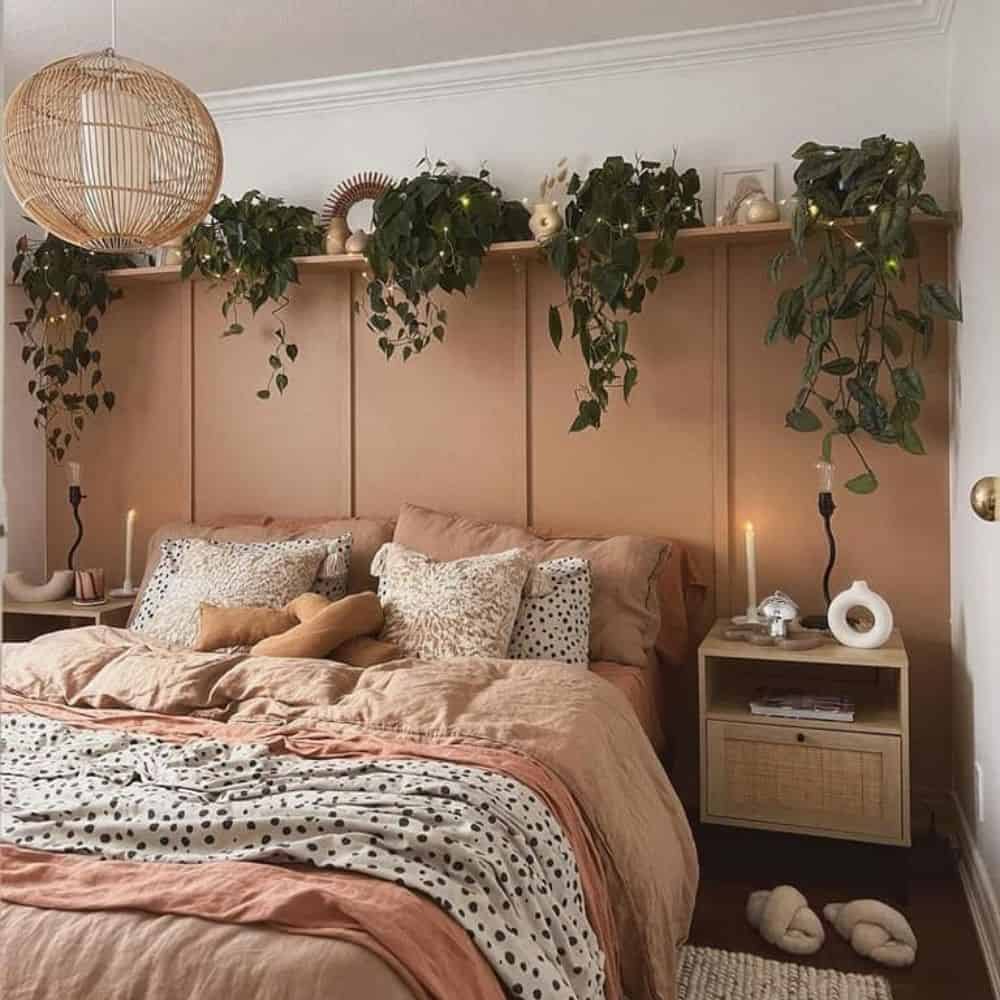
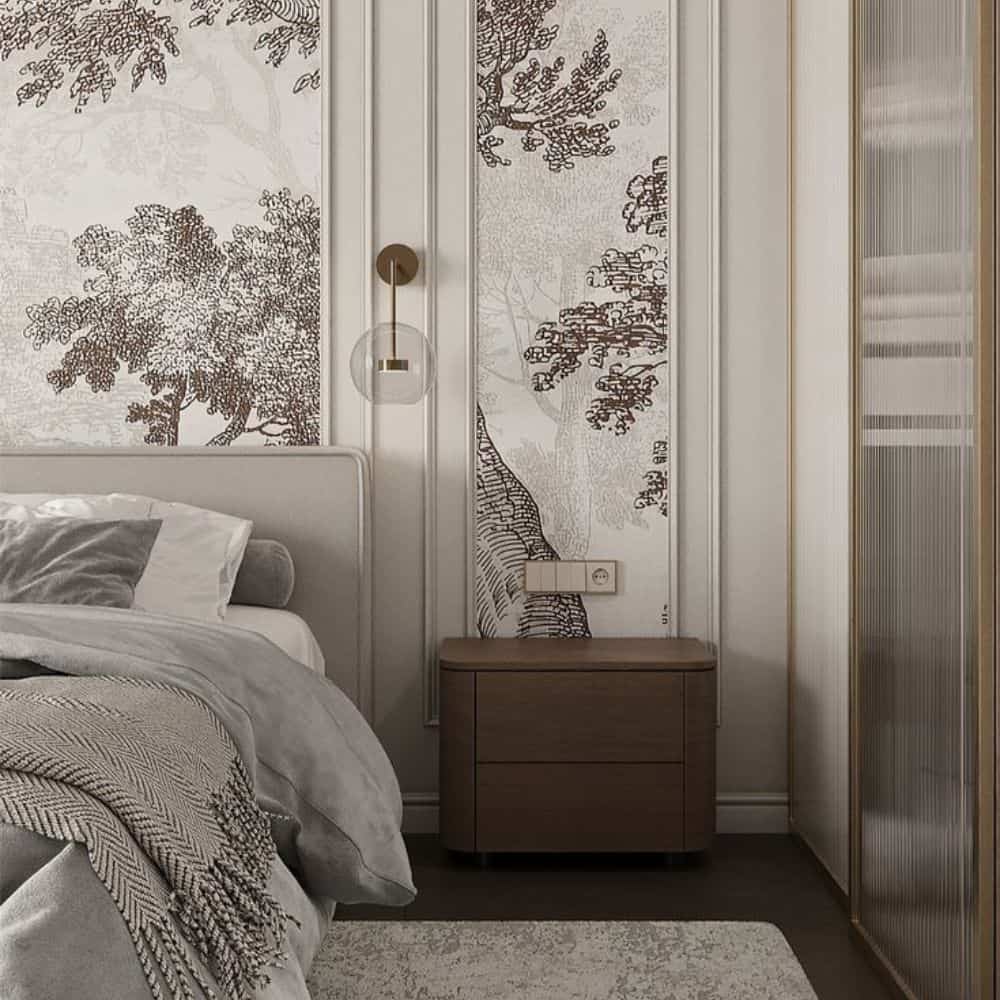
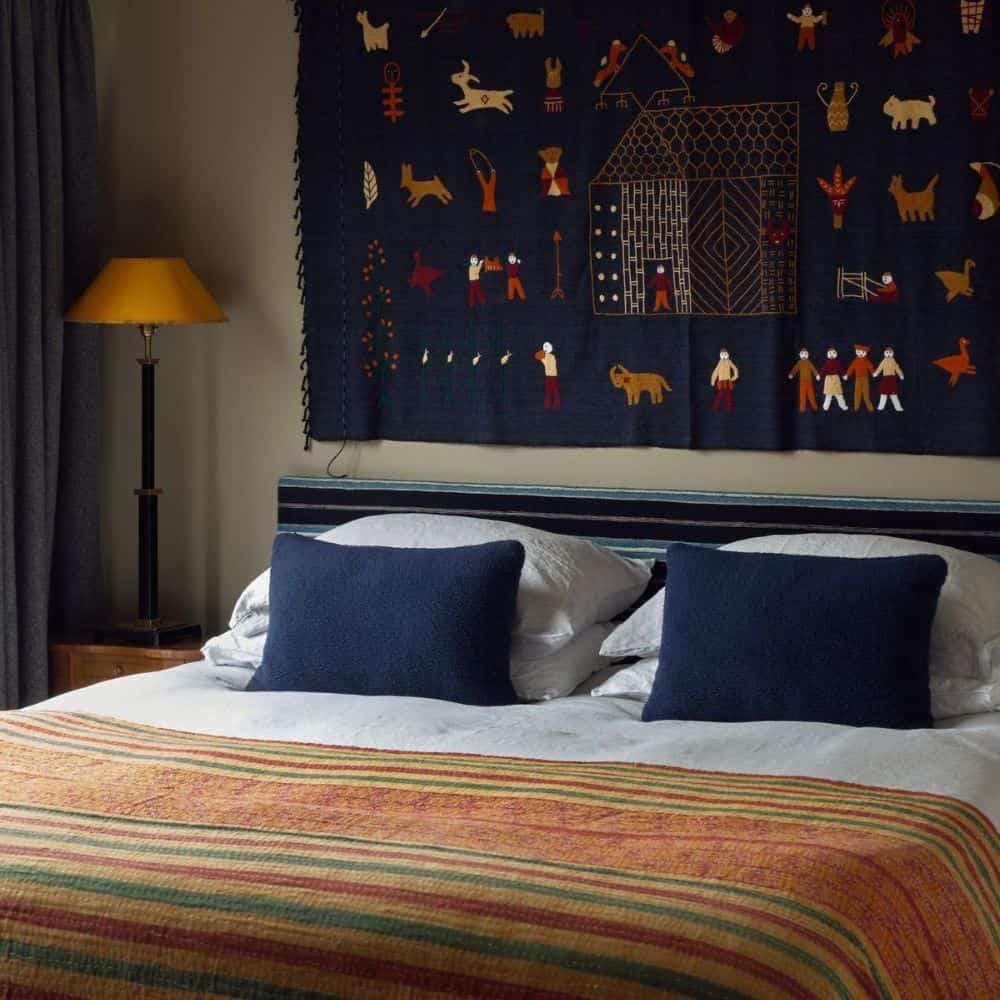
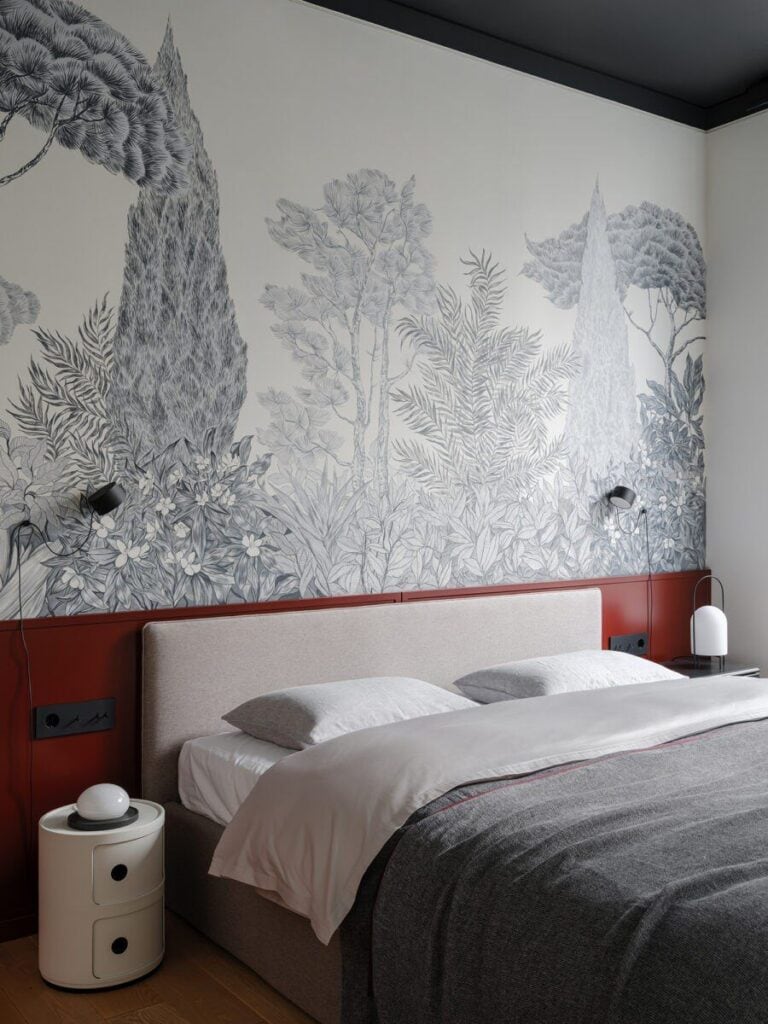
1. Painted wall as accent wall. Almost endless possibilities on colors and shapes. 2. Renter firendly version: Board and batten wall. Found it on Pinterest. This is a perfect way to have an open shelf: as display. 3. Bedroom with mural wall or wallpaper. 3. Fabric as accent wall. A project by Morrisstudio: Barbican Estate
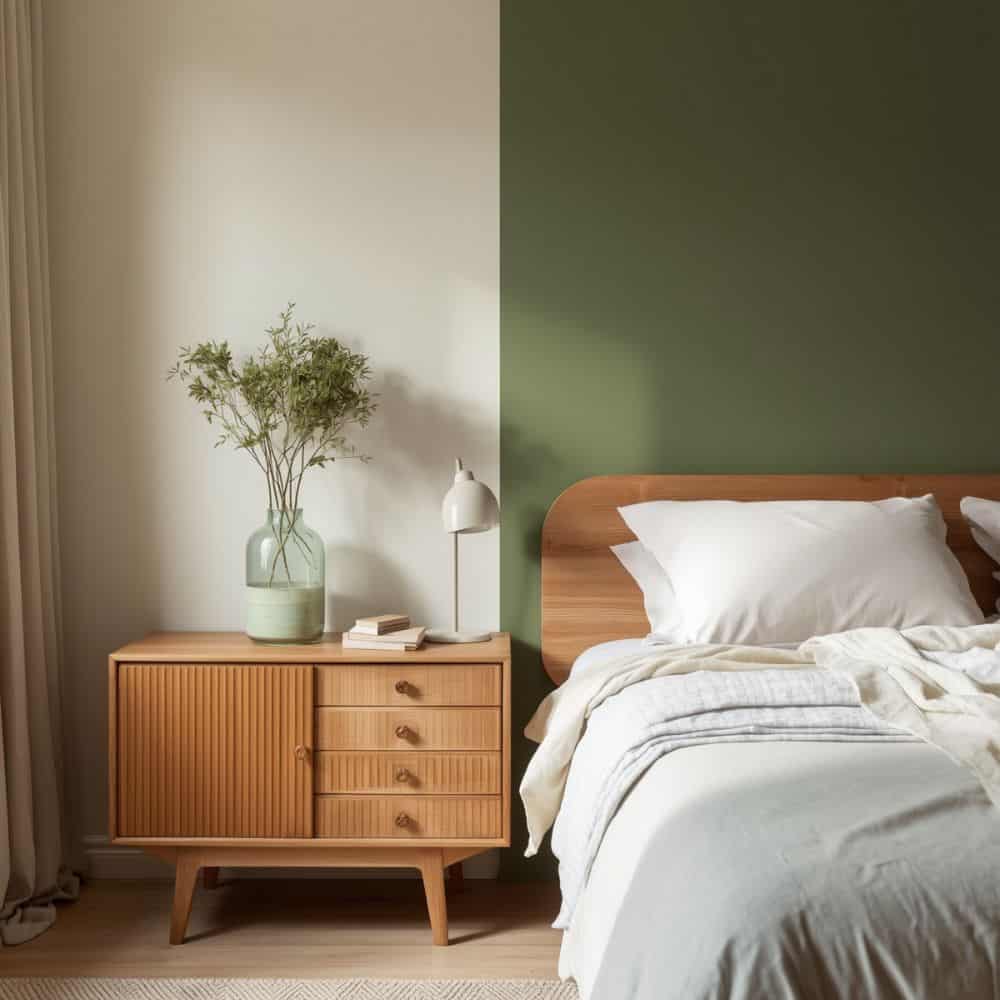
Paint — the Simplest Starting Point
A single painted wall remains the most direct accent wall bedroom approach.
It requires the least effort, costs the least, and is the easiest to change. The decision is really about tone: how different do you want the back wall to read from the rest of the room?
A subtle shift — one or two steps deeper on the same palette — is often enough. A full contrast can work, but it commits the room to a palette in a way that limits what you can do with the bedding, rug, and furniture.
The bedroom paint colors guide covers tone selection in more depth, including how ceiling height and light direction affect how a color reads on the wall behind the bed specifically.
Board and Batten Wall Bedroom — Renter-Friendly Version
Board and batten wall bedroom treatments create a strong architectural moment without needing structural work.
In a rented space where painting is allowed but adhesive is not, thin wooden battens applied over the existing paint give the same effect as built-in paneling. The battens can be secured with removable mounting tape or small removable adhesive strips, then painted the same color as the wall for a continuous effect.
When you leave, the battens come down, the wall is filled and repainted, and the result is not noticeably different from a plain wall.
If the landlord allows painting, the most effective version is a warm white batten over a wall that’s already painted one tone deeper — the battens read as shadows, not as an addition.
Wallpaper and Wall Panels
A wallpapered wall behind the bed works best when the paper has enough scale to read as a decision, not decoration.
Small all-over patterns at the scale of traditional wallpaper tend to look busy in a bedroom. A large-format print — botanical, abstract, or architectural — can create a back wall that holds its own against the rest of the room.
The bedroom color combination guide covers how to keep the rest of the room cohesive when the back wall carries a strong pattern.
Fabric and Textile Panels — the Renter’s Best Option
An oversized fabric panel behind the bed is the most versatile accent wall bedroom treatment for rented spaces.
A panel in linen or heavy cotton — hung from a wall-mounted rod or suspended from a ceiling track — creates the same visual weight as a painted or papered wall without touching the surface. The warmth of the fabric also softens sound in a room, which matters in apartments with hard surfaces throughout.
The panel I used in my rented flat was slightly warmer in tone than the white walls — just enough to read differently without creating contrast. The effect was calm and deliberate. That distinction between a warm off-white and a cool white is often more useful as a design move than a full color commitment.
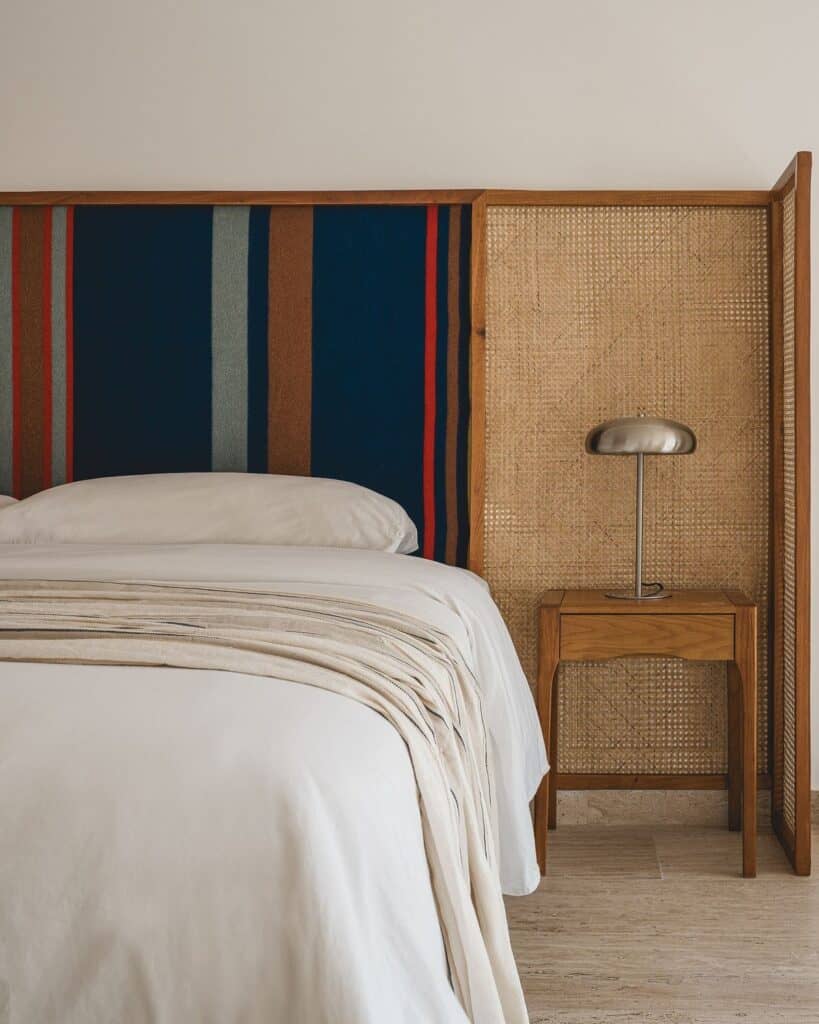
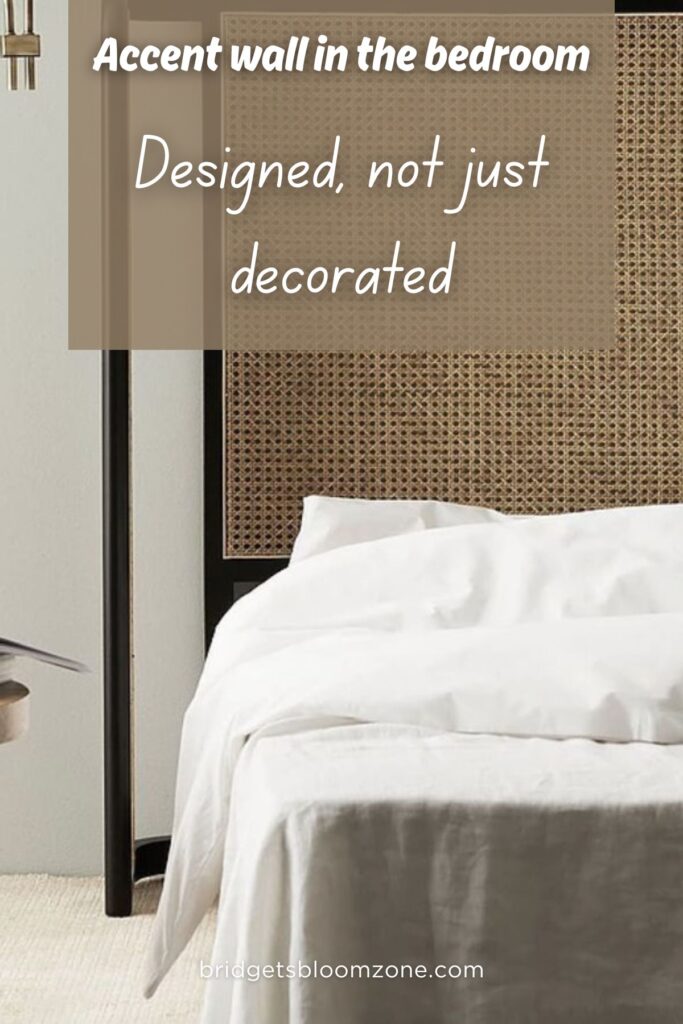
Something extra – cane webbing as accent wall
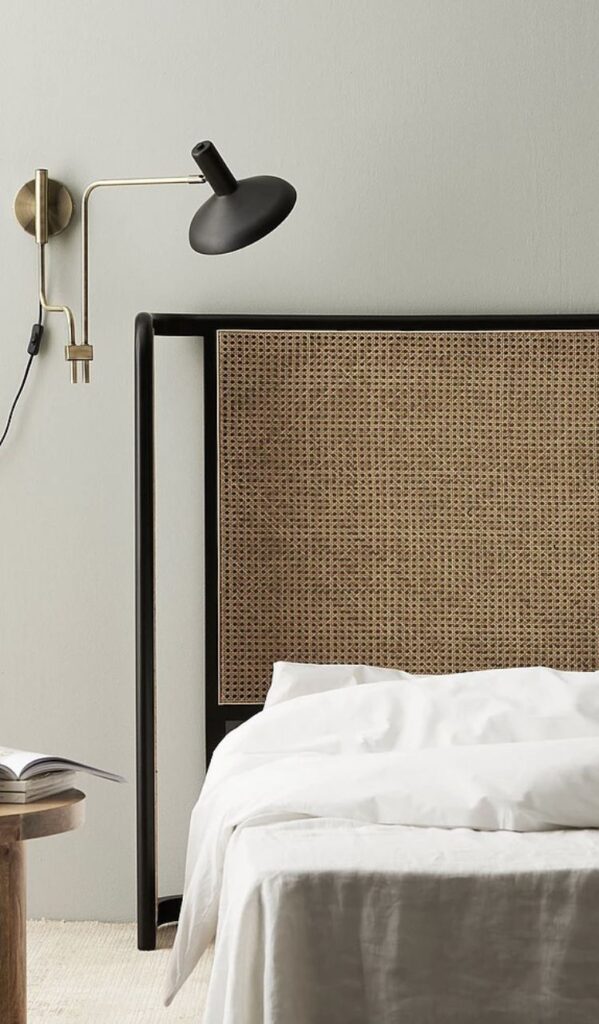
This is for the DIY fanatics like me, and is a renter friendly option. Cane webbing panels are an underrated design trick. You can buy ready made patterns.
Build simple wooden frames, stretch cane webbing inside, and mount the panels to the wall with removable hooks or minimal fixings. The result is a custom accent wall that feels textured, airy, and high-end without a permanent renovation.
Best for lovers of earthy bedrooms, and nature lovers.
Bedroom Wall Painting Ideas — How to Choose a Color
The color of an accent wall bedroom is most effective when it responds to the room’s light.
A wall that receives afternoon light can hold a deeper tone. A wall in a north-facing room that’s already cool and dim needs something with warmth in the undertone, not a cool gray that reinforces the flatness. The bedroom color combination post has a section on undertone testing that applies directly to accent wall selection.
Bedroom Wall Painting Ideas by Room Type
- Small room with one window: use a tone within the same family as the other walls — a step or two deeper, not a full contrast
- Room with good natural light: can absorb a bolder or darker tone on the back wall without the room feeling compressed
- Attic bedroom: avoid very dark tones on the sloped wall — they pull the ceiling down further. I would say avoid painting walls and ceilings in different colors at all cases. Why? The small attic bedroom guide has specific guidance on color in low-clearance spaces
- Studio apartment: an accent wall bedroom treatment helps define the sleeping zone visually — use it to mark the boundary rather than just decorate the wall
Bed Back Wall Design — What Not to Do
The most common mistake with bed back wall design is choosing a treatment that competes with the bedding.
A strong wallpaper pattern behind the bed combined with a patterned duvet and decorative cushions creates visual noise rather than interest. The wall treatment and the bed should be doing different things — one should carry the pattern, the other should carry the texture or solid color.
For tiling decisions in adjacent spaces — particularly if the bedroom opens to an en suite — the grout colors for white tile guide covers how a small design decision in that zone affects how the whole space reads.
Key takeaway: One element carries the decision. Everything else supports it. A great accent wall bedroom has a clear hierarchy — not multiple competing focal points.
Accent Wall Designs — Making It Work in a Small Bedroom
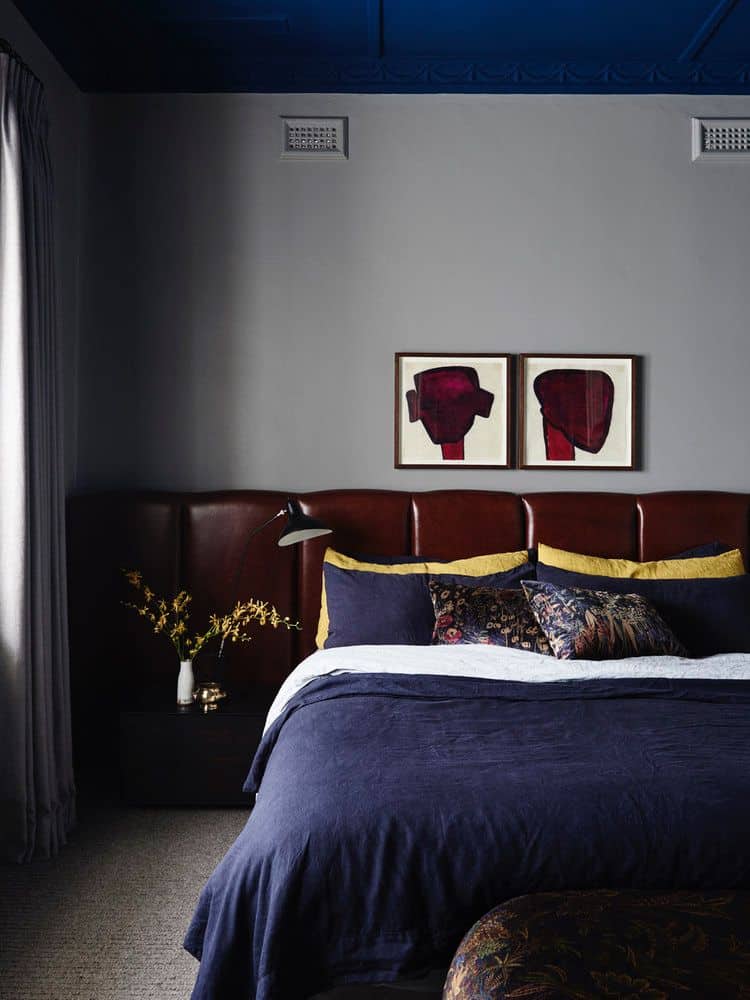
The most effective accent wall designs in small bedrooms are the ones that feel inevitable — as if the wall was always meant to be that way.
That usually means the treatment stays within the room’s existing tonal range rather than introducing a new one from outside. The room already has a light palette, a wood tone, a fabric texture. The accent wall treatment that works best picks up one of those elements and deepens it.
The bedroom ideas for small rooms guide covers the broader decision framework for a small bedroom, including how surface treatment choices interact with layout and storage.
Final Thoughts
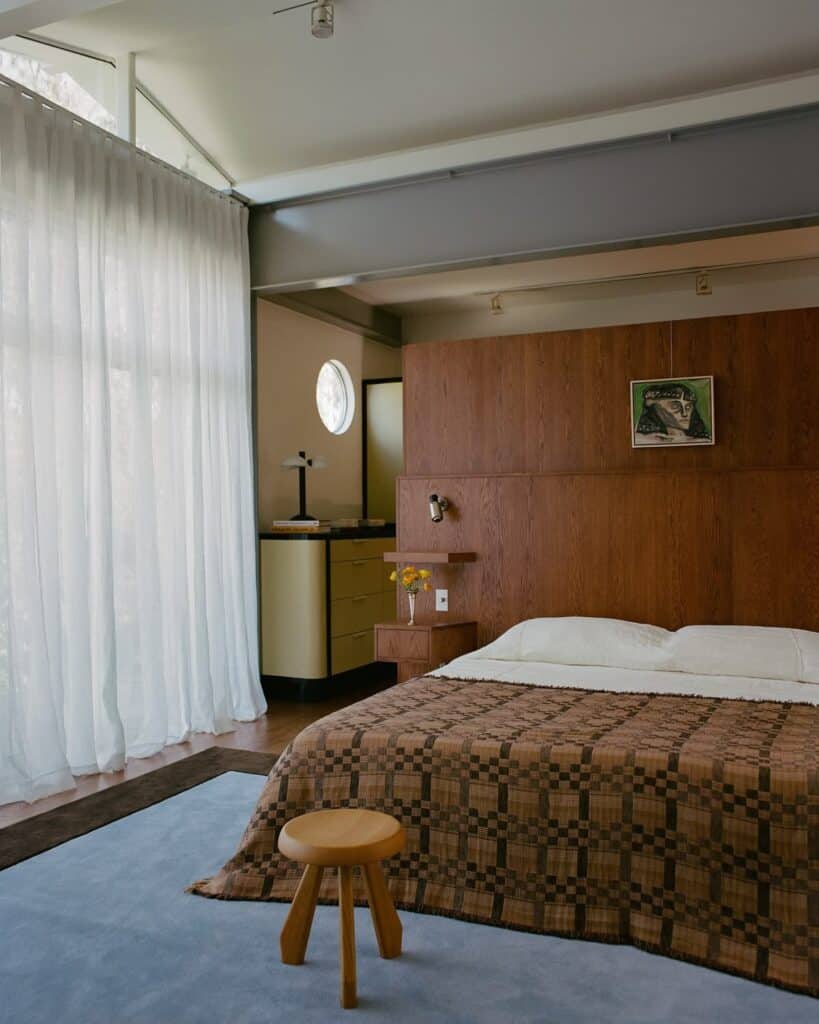
An accent wall bedroom is one of the fastest ways to make a room feel designed rather than furnished.
The treatment doesn’t need to be dramatic — in most small bedrooms, it shouldn’t be. The goal is a wall that holds visual weight behind the bed and gives the room a clear focal point. Whether that comes from paint, textile, batten, or wallpaper depends on the room’s architecture and what you’re allowed to do to the walls. The constraint is rarely the problem. It usually clarifies the solution.
Frequently Asked Questions About Accent Wall Bedroom
What wall should be the accent wall in a bedroom?
The wall behind the headboard. It receives the most visual attention from the doorway and from anyone lying in bed. Treating this wall differently from the others reinforces the bed as the room’s focal point without requiring any furniture changes.
What color should an accent wall bedroom be?
One to two tones deeper than the other walls, or a warm mid-tone if the room has good light. A very dark tone can work but tends to feel heavy in rooms with standard ceiling heights. The undertone matters: match warm to warm, cool to cool.
Are accent walls in bedrooms outdated?
The treatment changes but the principle doesn’t. A plain painted wall is never outdated when it’s chosen well. What dates is a specific material or pattern trend — the underlying logic of directing the eye to the wall behind the bed is sound regardless of the decade.
Can renters do an accent wall bedroom treatment?
Yes. A fabric panel behind the bed, removable wallpaper, or board and batten in removable-adhesive form all create significant visual impact without damaging the wall. An oversized linen panel hung from a wall-mounted rod is the most effective and easiest to reverse.
What is board and batten in a bedroom?
A paneling treatment using thin vertical or horizontal strips of wood applied over the existing wall surface. In a bedroom, it’s most often used on the wall behind the bed. Painted the same color as the wall, the shadow lines read as architectural detail rather than added decoration.
How do I choose between wallpaper and paint for a bedroom accent wall?
If you want pattern, wallpaper. If you want color, paint. If the room already has pattern in the bedding or rug, a painted wall is usually the better choice — it creates depth without competing. Wallpaper works best when the bedding is plain and the rest of the room is quiet.
Does an accent wall make a small bedroom look bigger or smaller?
A tone that’s slightly deeper than the other walls tends to push the wall back, making the room read longer. A very dark or highly contrasting treatment can do the opposite, making the wall feel closer. The effect depends on the specific tone and the room’s existing light level.
What is bed back wall design?
The design treatment applied specifically to the wall behind the headboard. This can be paint, wallpaper, paneling, a fabric panel, or a structural element like a niche or shelf. It’s the most common form of accent wall in a bedroom because that wall receives the most sightline attention.