How to Pick the Best Small Living Room Paint Color That You Will Love
Introduction — Why Paint Color Matters in Small Living Rooms
Small living room paint color choices have a surprisingly powerful impact on how your space looks and feels. The right color can make a compact living room feel open, calm, and welcoming, while the wrong one can make the same room feel crowded or visually heavy.
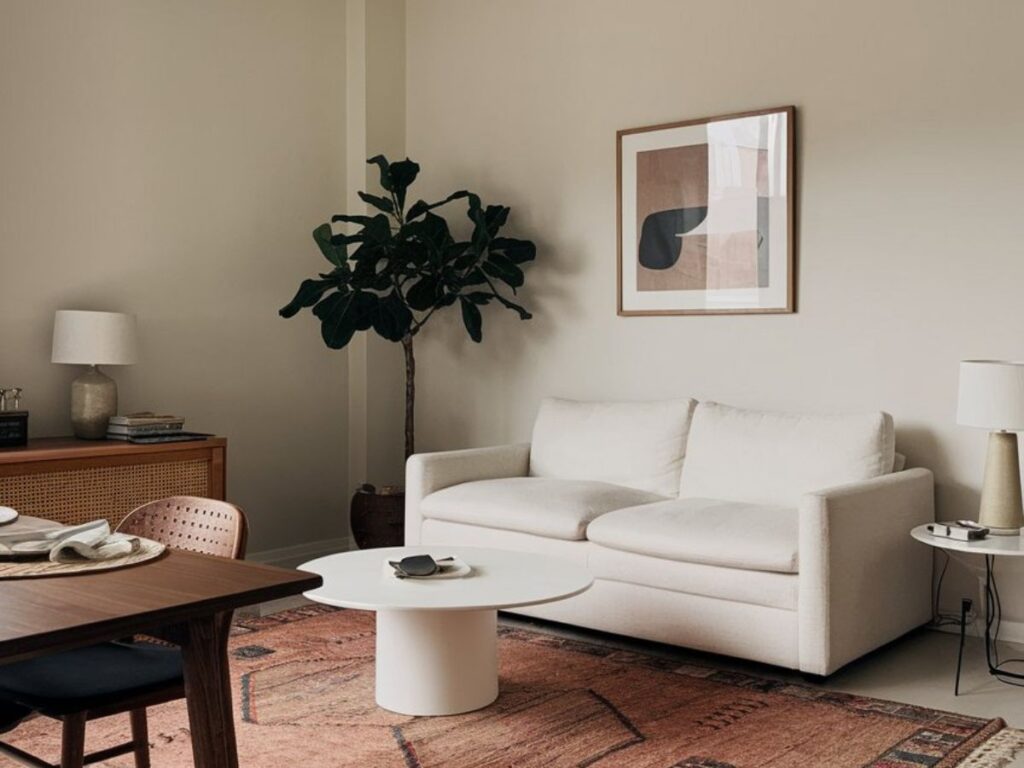
Right after light, color has the biggest impact on space. Some would say, the biggest impact, In my opinion, light and color go hand in hand.
There are some general lighting rules that make a space feel very harmonious, and specific lighting ideas, that are valid for your living room lighting. These combined with the best mall living room paint color, define the space entirely (in a good way).
Color does more than decorate your walls.
It changes how we experience a room:
• how big it feels
• how bright it looks
• how cozy the space becomes
Lighter tones can reflect light and create an airy feeling, while deeper shades add intimacy and character.
In a small living room, the balance between these effects becomes especially important.
Beyond visual perception, color also influences mood. Warm tones can make a space feel cozy and inviting, while cooler shades often feel fresh and calming.
This is why choosing the best paint colors for living room walls is not just about aesthetics—it’s about shaping the everyday experience of your home.
Small Living Room Paint Color – Not an Easy Choice
That’s why a color that looks perfect in the paint store can feel completely different at home.
That’s also why many people feel overwhelmed when choosing paint colors.
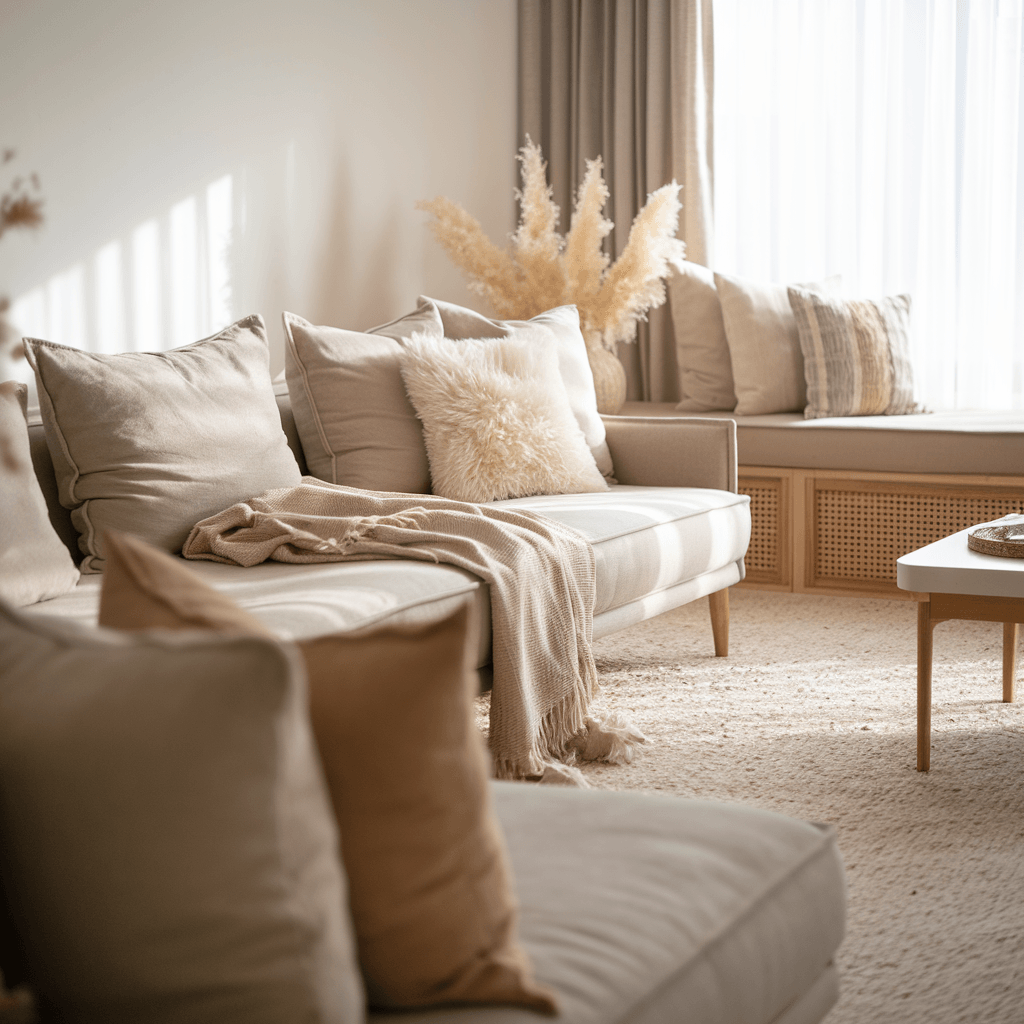
Common questions include:
- Why does the color look different during the day and at night?
- Why did the room feel bigger before painting?
- Why does the color clash with my furniture?
These are real challenges homeowners face when searching for the best wall colors for living room spaces.
TL;DR
This guide will help you confidently choose the best color for living room walls, especially in compact rooms.
You’ll discover how color affects space perception, learn the most successful palettes for small interiors, and explore paint colors for small spaces that create a timeless, harmonious atmosphere.
By the end, you’ll also understand how to combine colors, textures, and materials to build beautiful colour schemes for living room spaces that feel balanced and personal.
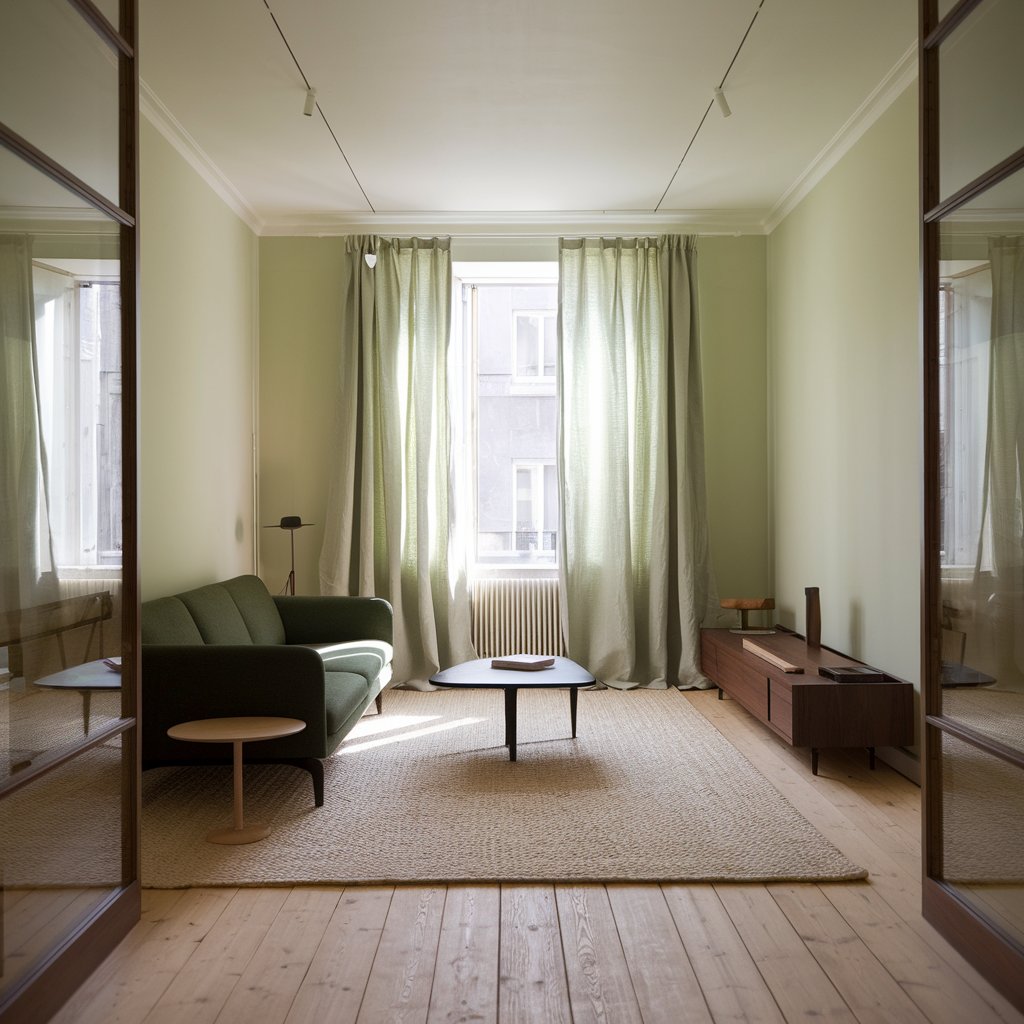
Common Small Living Room Color Pain Points
Choosing the right small living room paint color often feels harder than expected. Even people who love interior design sometimes struggle with it because paint interacts with many invisible factors.
People’s Real Struggles
Many homeowners share similar frustrations when selecting paint colors for small spaces:
“Why does my living room feel smaller after painting?”
Dark tones or strong contrasts can visually shrink walls if they are not balanced with light or texture.
“My paint looks different during the day and at night.”
Natural and artificial lighting can dramatically change how a color appears. What looks warm and soft in daylight may appear gray or flat in the evening.
“I can’t visualize how the color works with my furniture.”
This is one of the most common issues when selecting the best color combinations for living room spaces. Sofas, rugs, and wood finishes all influence how wall colors feel.
What Experts Say
Interior designers often emphasize that color is never experienced alone. It always interacts with light and surrounding materials.
For example:
- A warm beige can feel cozy in one room and yellowish in another.
- A gray wall might look elegant in daylight but appear cold at night.
- Undertones in paint colors shift depending on the direction of sunlight.
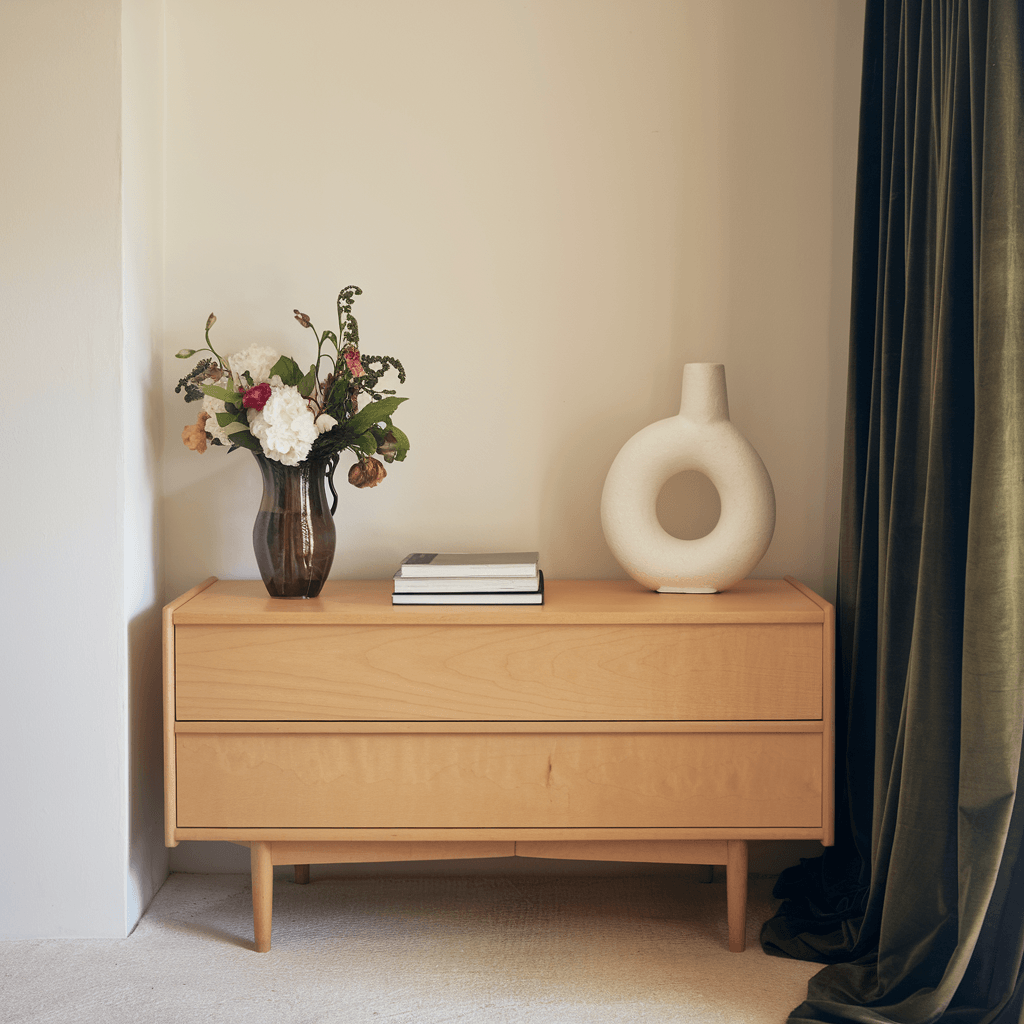
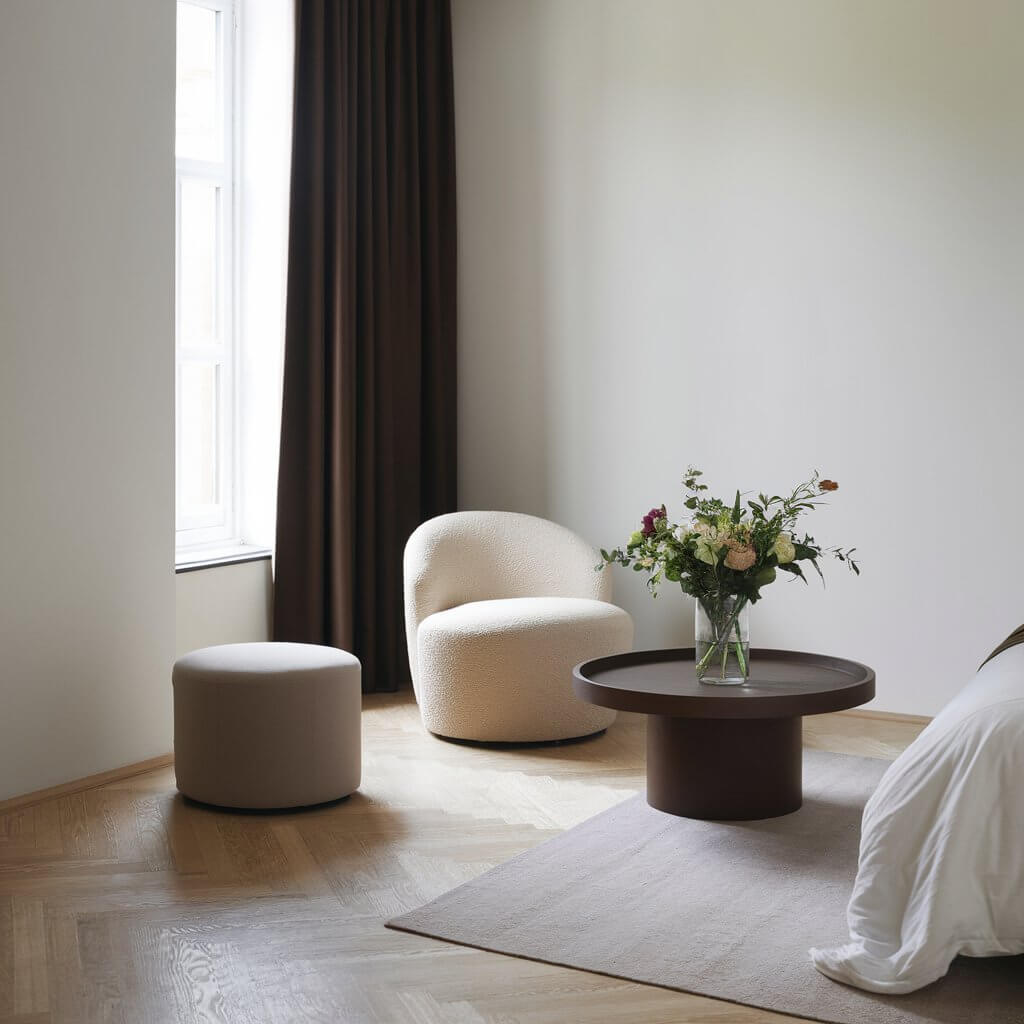
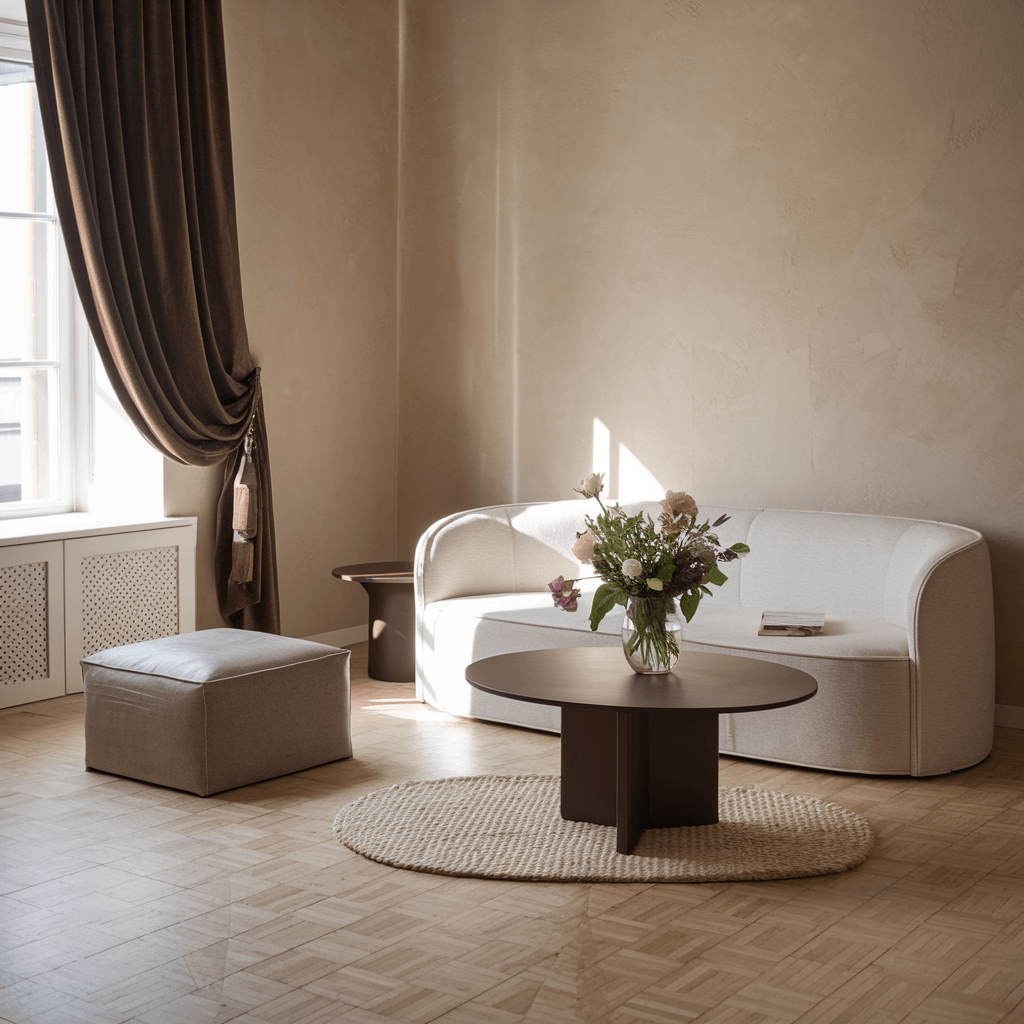
Understanding these interactions makes it much easier to choose the best paint colors for living room interiors.
When the right color palette is selected, even a compact living room can feel calm, spacious, and thoughtfully designed.
How Color Influences Perception of Space
One of the most important roles of small living room paint color is shaping how large or small a space feels.
The right color can visually expand walls, while the wrong one can compress them.
Lighter Tones Create Openness
Light colors are often the safest choice for paint colors for small spaces because they reflect light and soften visual boundaries.
Soft neutrals such as:
- warm whites
- creamy beiges
- pale greige tones
can make walls feel more distant and open.
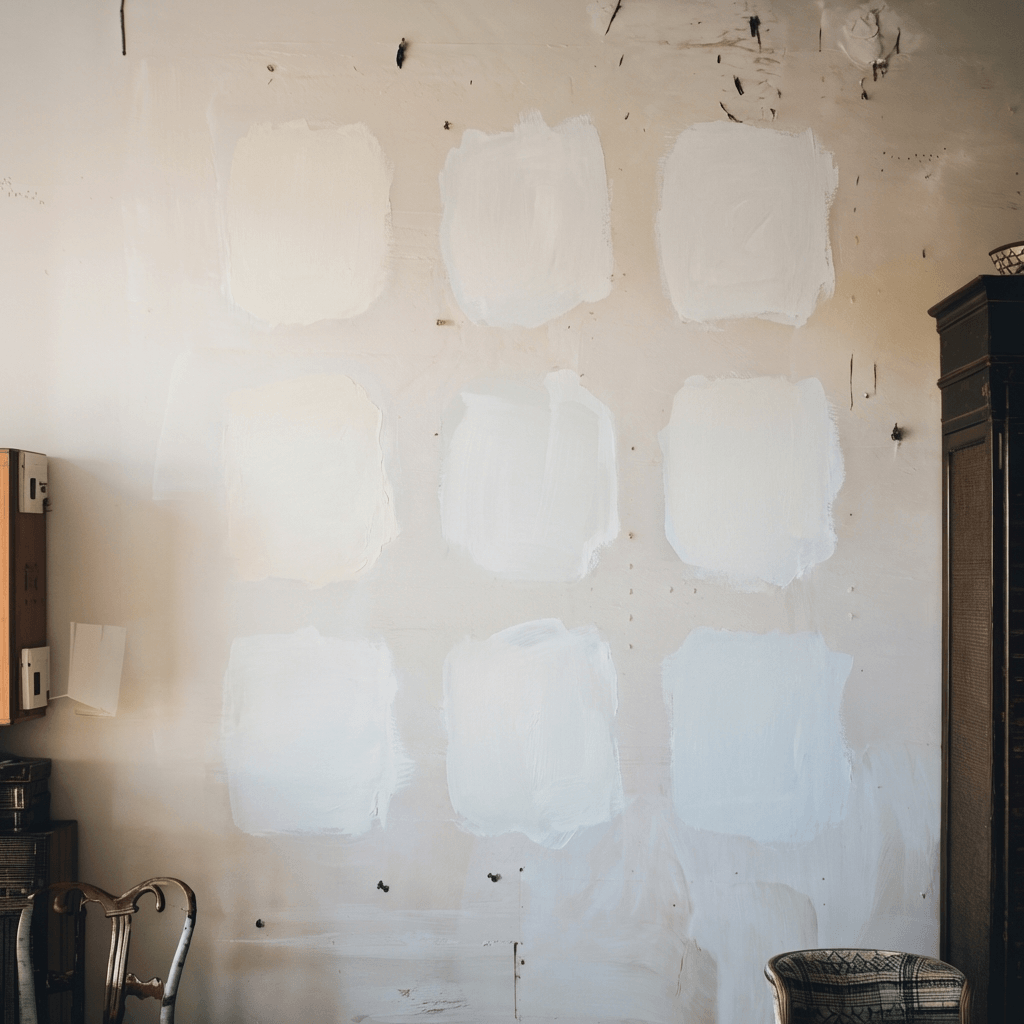
These tones also reduce visual clutter, allowing furniture and décor to stand out without overwhelming the room.
For many homes, light neutrals are among the best wall colors for living room spaces because they create a timeless background that works with many design styles.
Warm vs Cool Shades
The temperature of color also influences atmosphere.
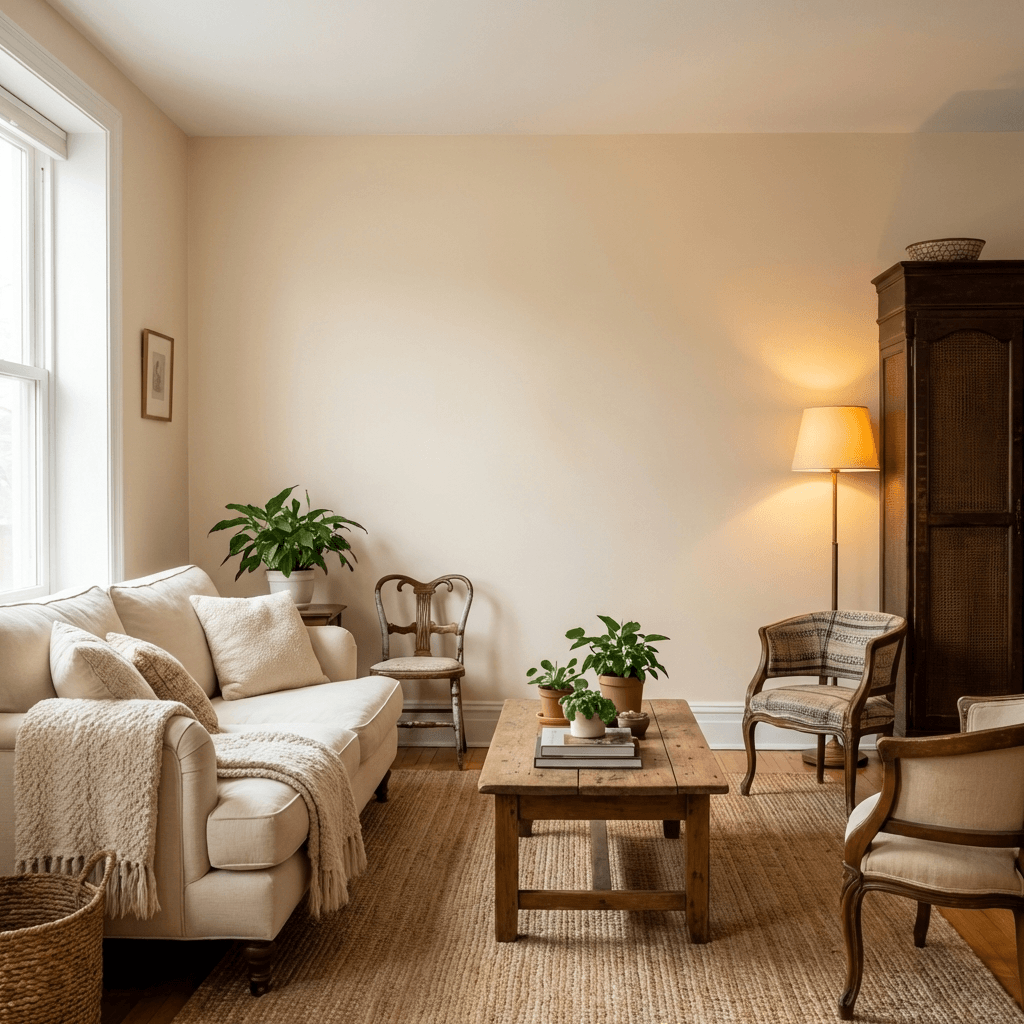
Warm hues:
create intimacy and comfort. Cream, sand and light beige tones often become cozy living room paint colors that feel welcoming.
Cool hues:
like pale blue or soft sage can feel fresh and airy. When balanced with natural textures such as wood or linen, they can expand the feeling of space.
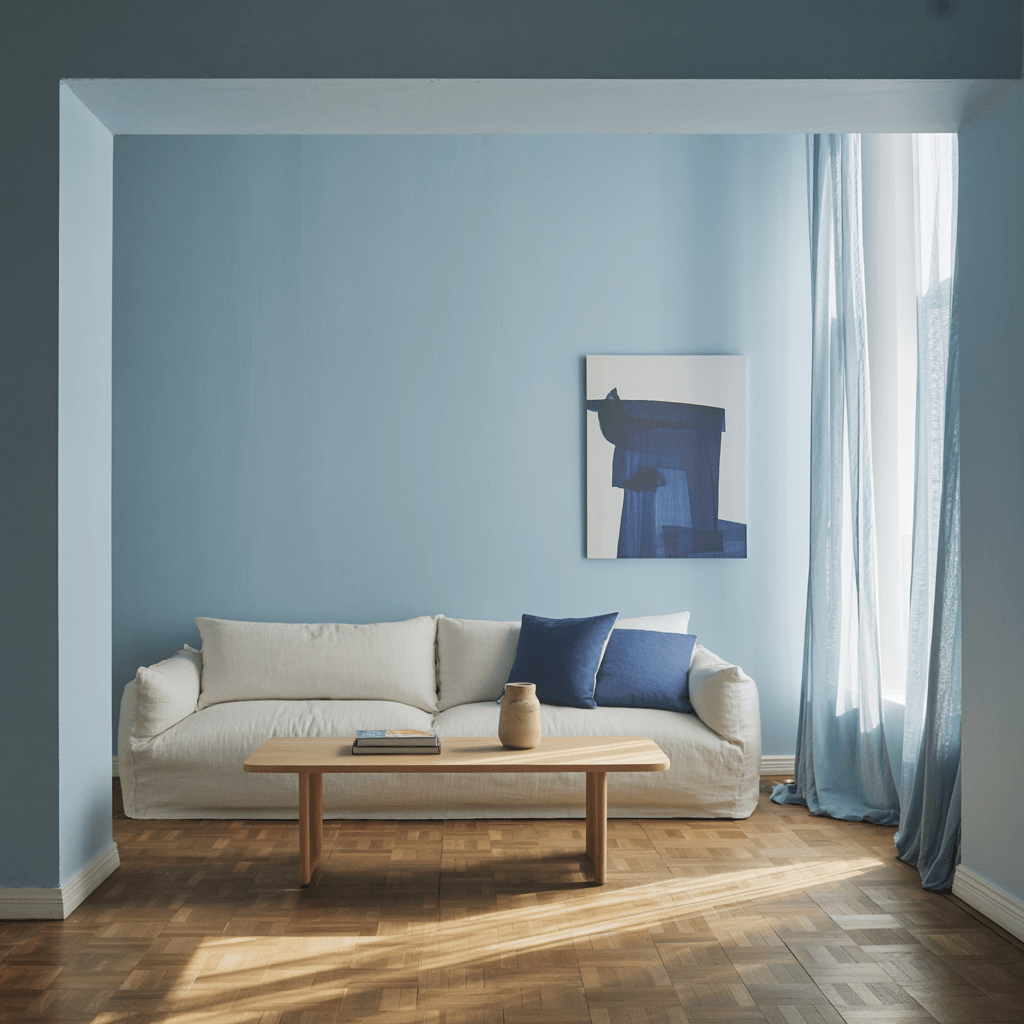
Choosing the best color for living room walls often means finding a balance between these two effects.
Colors That Can Shrink Space
Some colors require extra care in small living rooms.
These include:
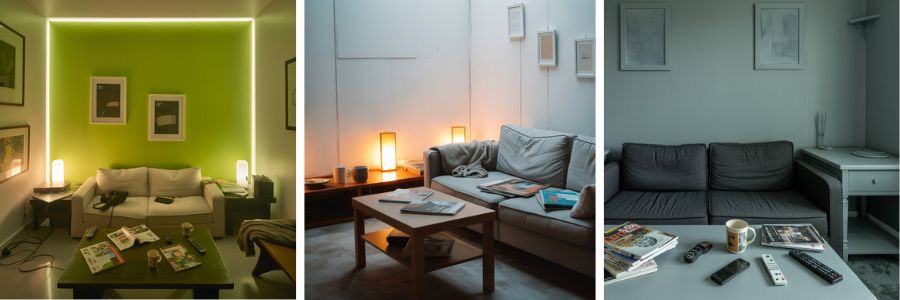
- Brilliant stark white, which can create harsh contrast
- Highly saturated red or orange tones
- Cool gray-blue shades with strong undertones
These colors are not impossible to use, but they need thoughtful wall color combination strategies and careful styling. Here are some bad examples, just for fun:
Top Small Living Room Paint Color Ideas That Always Work
Certain shades consistently work well as small living room paint color options because they support both light and harmony.
Below are some of the most reliable directions designers recommend.
Light Neutrals That Expand
These tones create a calm backdrop while maximizing natural light. These palettes work especially well when combined with natural materials like wood furniture or linen textiles.
Warm Off-Whites
A warm off-white feels brighter than beige but softer than stark white. It is one of the best paint colors for living room interiors when you want a clean yet cozy atmosphere.
Creamy Beige
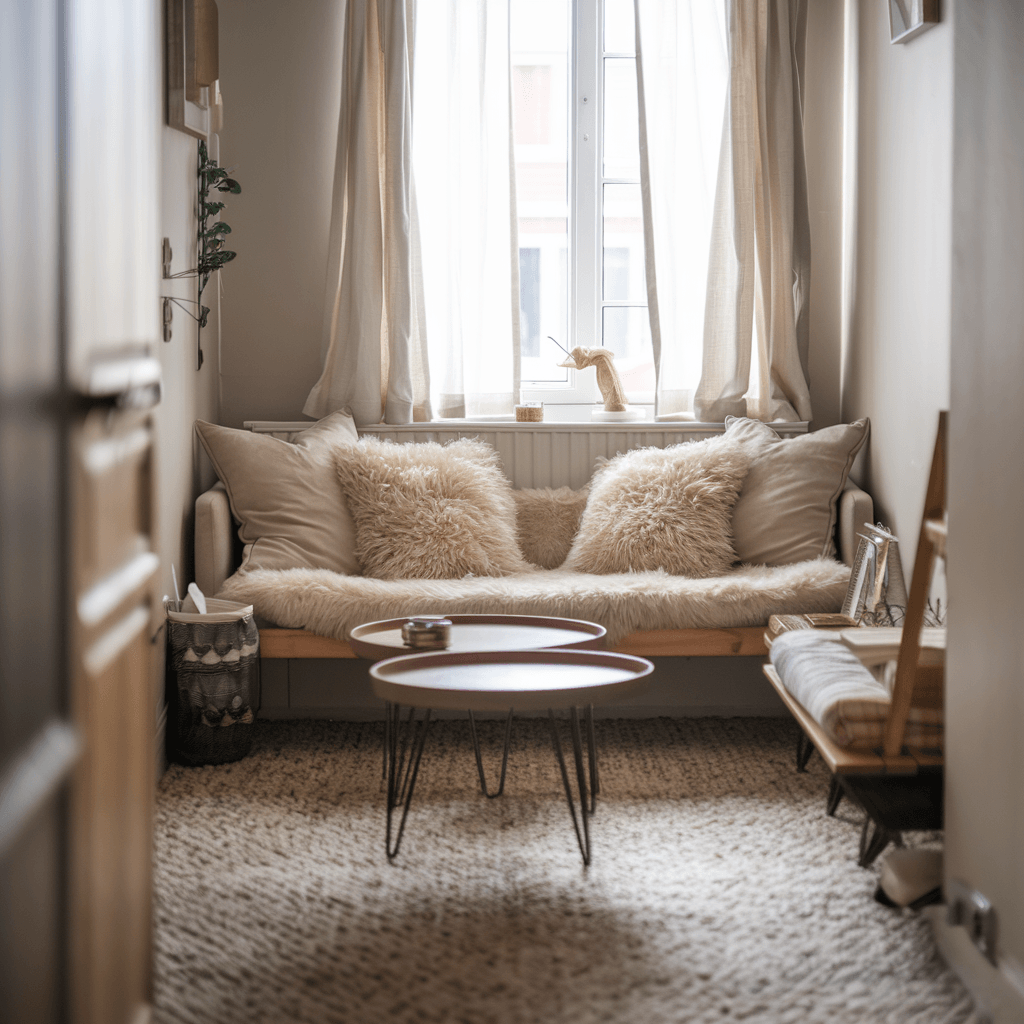
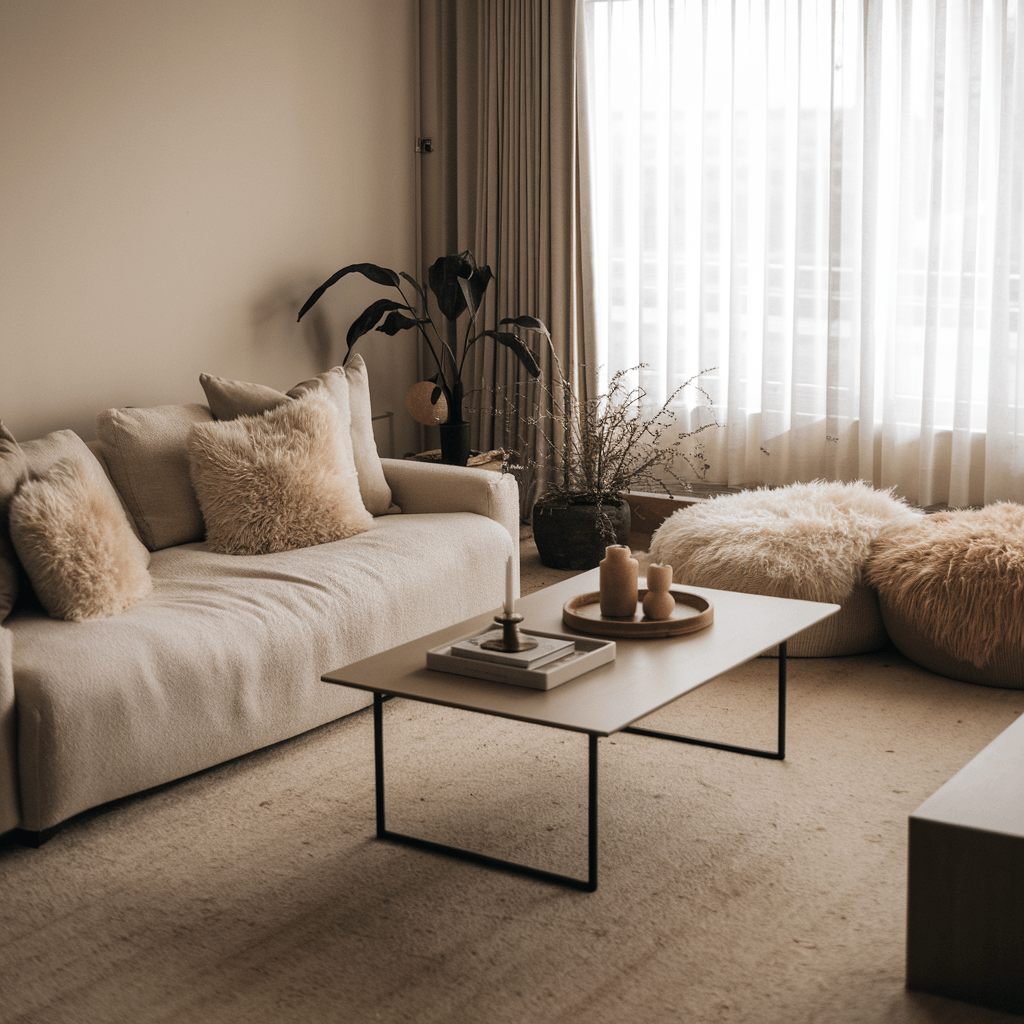
Cream and sandy beige tones offer warmth without heaviness. They are excellent cozy living room paint colors for relaxed interiors.
Soft Pastels That Feel Airy
Pastels add personality while still keeping the room visually light.
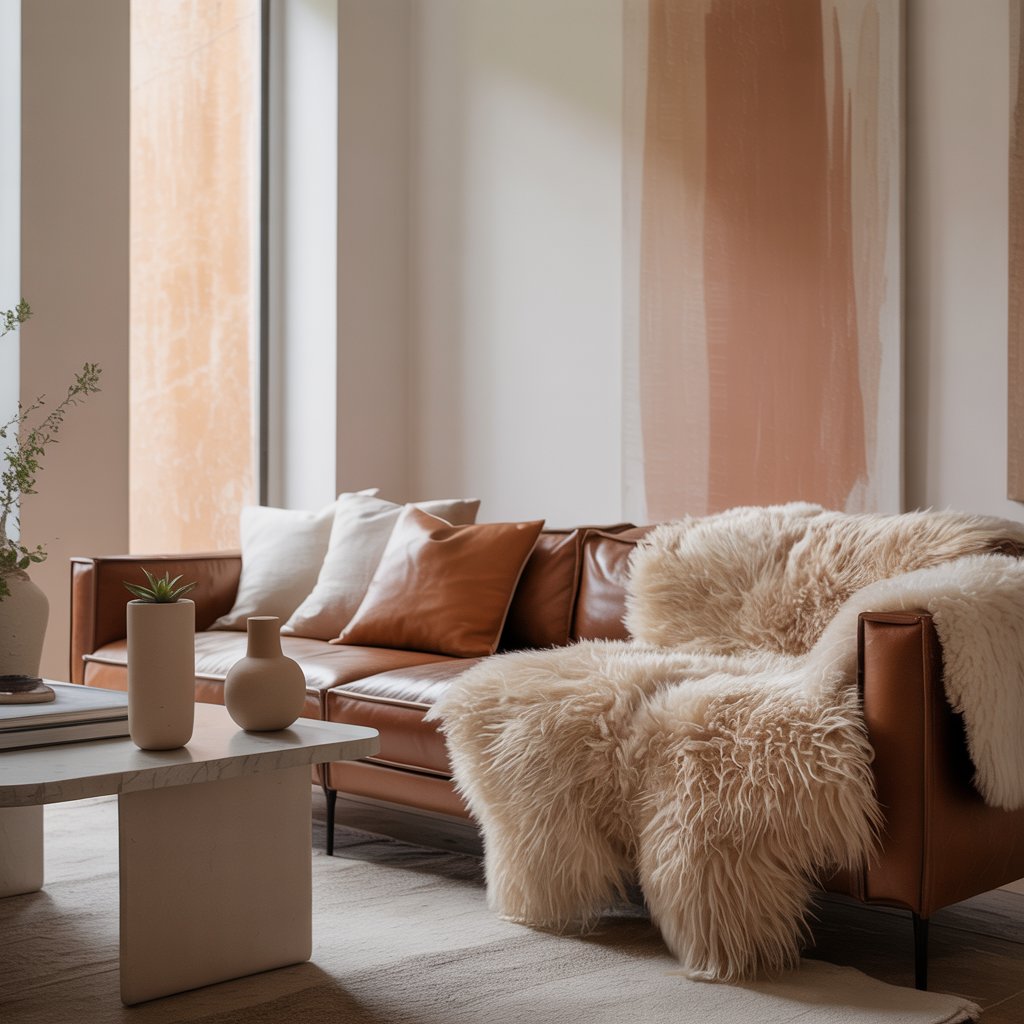
Blush Pink
Soft blush tones have become popular living room color designs because they feel warm and soothing. In many modern living rooms, designers pair this color with light oak floors or beige sofas.
Pale Blue
Sky-like blue tones create calm, open colour palette for living room environments that feel peaceful.
Nature-Inspired Calm Colors
Colors inspired by nature often work beautifully in small interiors.
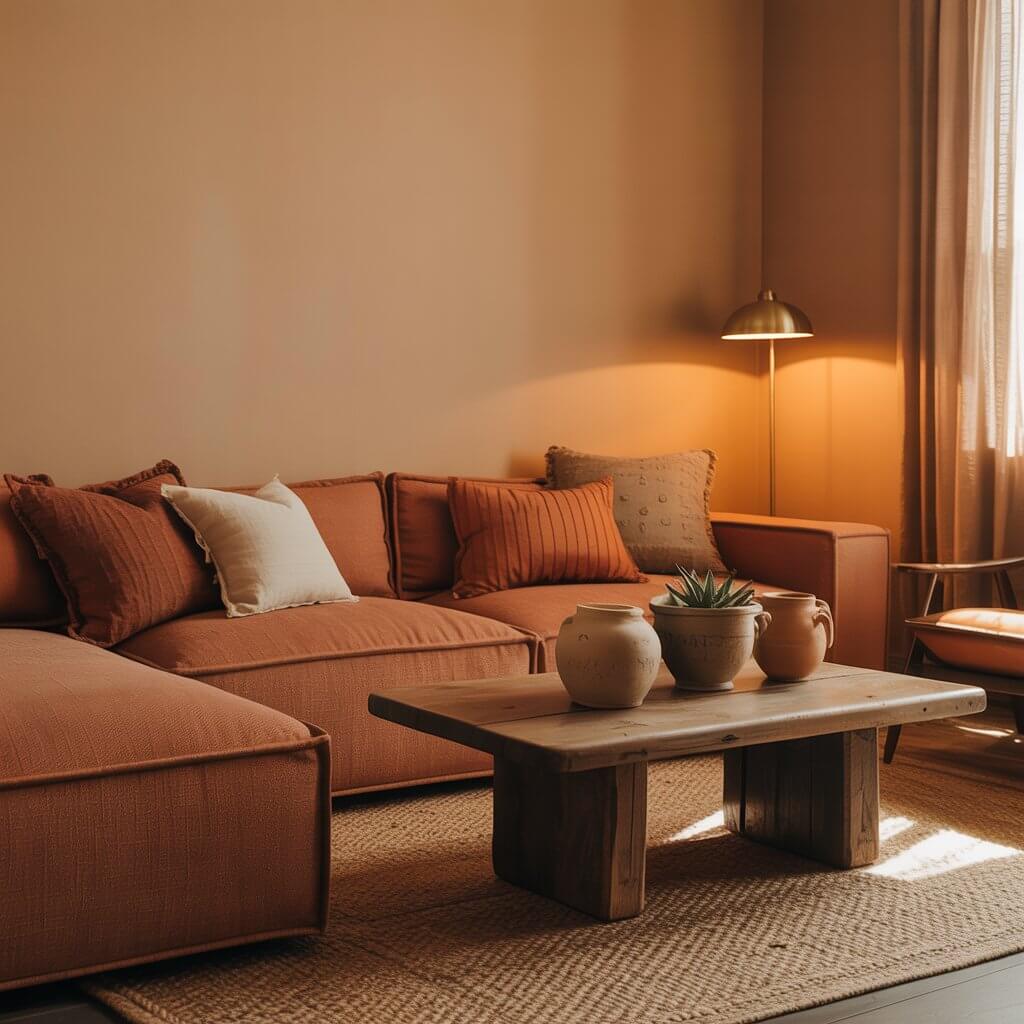
Natural Clay
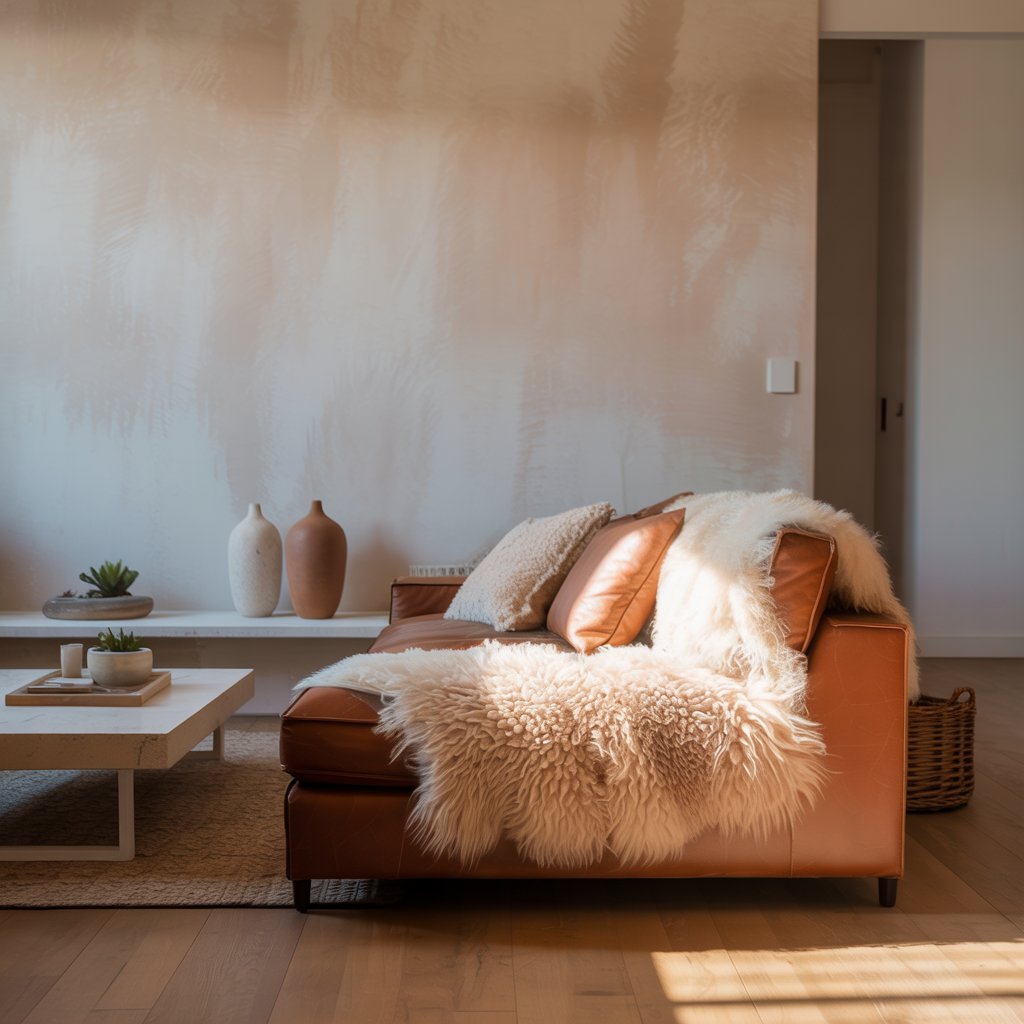
Warm earthy tones are always a good choice in interiors. Light beiges, like clay, or saturated terracotta tones give a cozy atmosphere even in small living rooms.
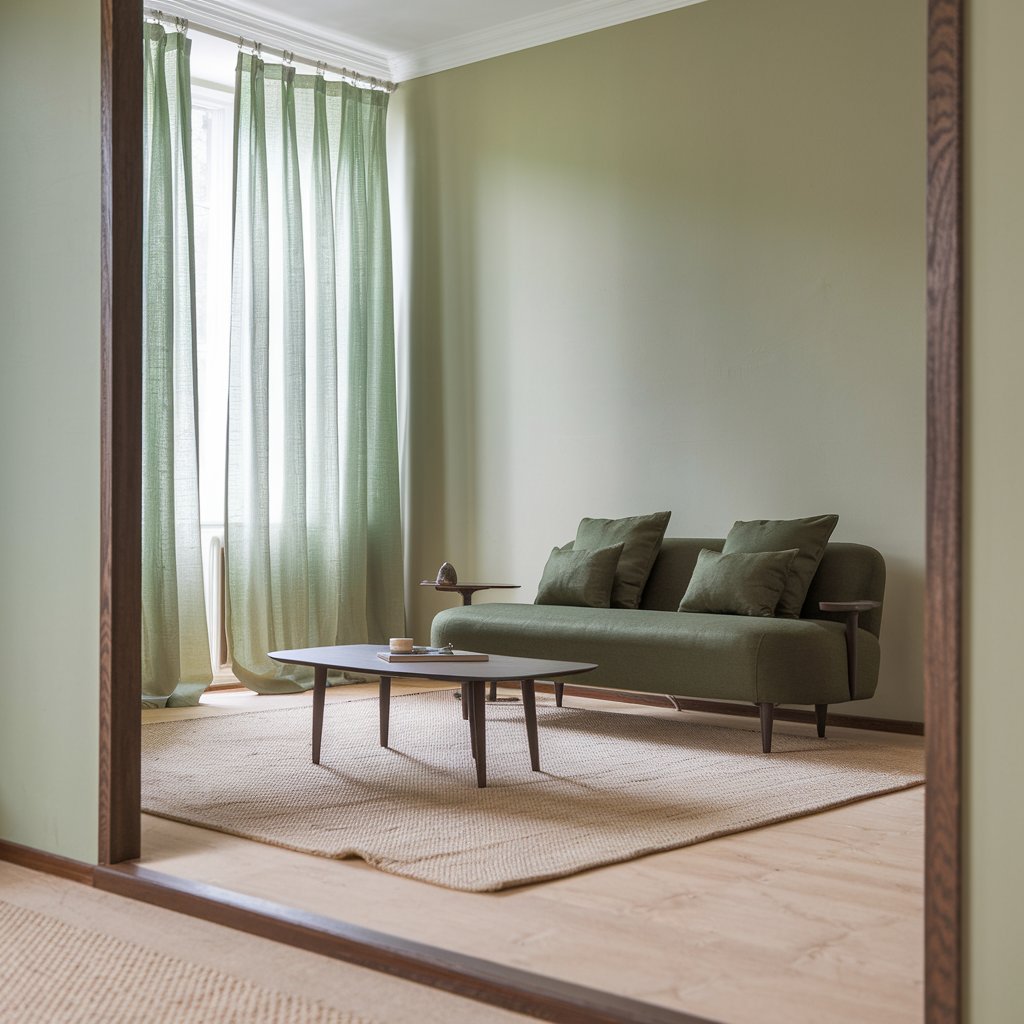
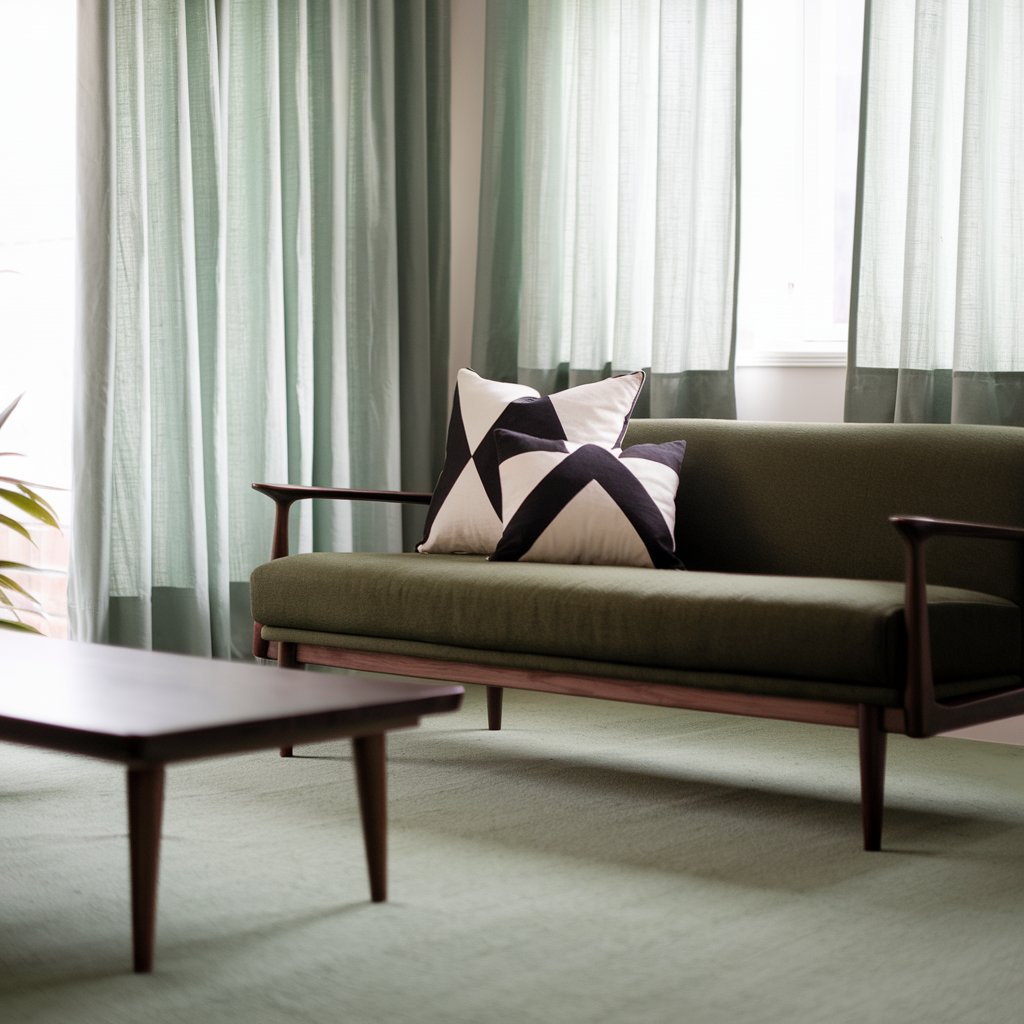
Sage Green
Very light, saturated, muddy green tones and sage green wall color is an elegant choice, if you collect the furniture and decors in matching colors. Lighter or darker shades of the same color, or beiges can be a good choice for the other elements of the small living room.
Smart Bold Choices
Darker colors can work in small rooms when used strategically.
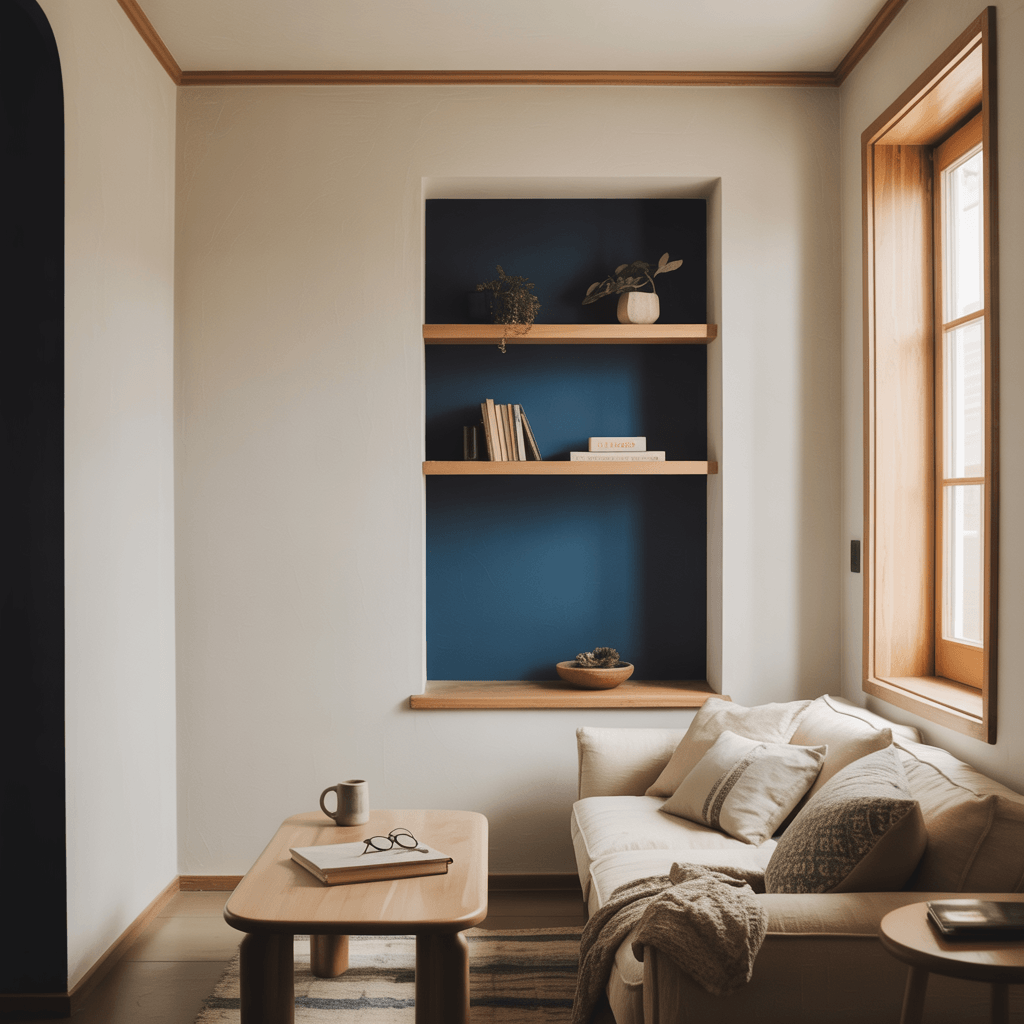
Deep Navy Accent Wall
Navy can add depth when paired with lighter surrounding walls.
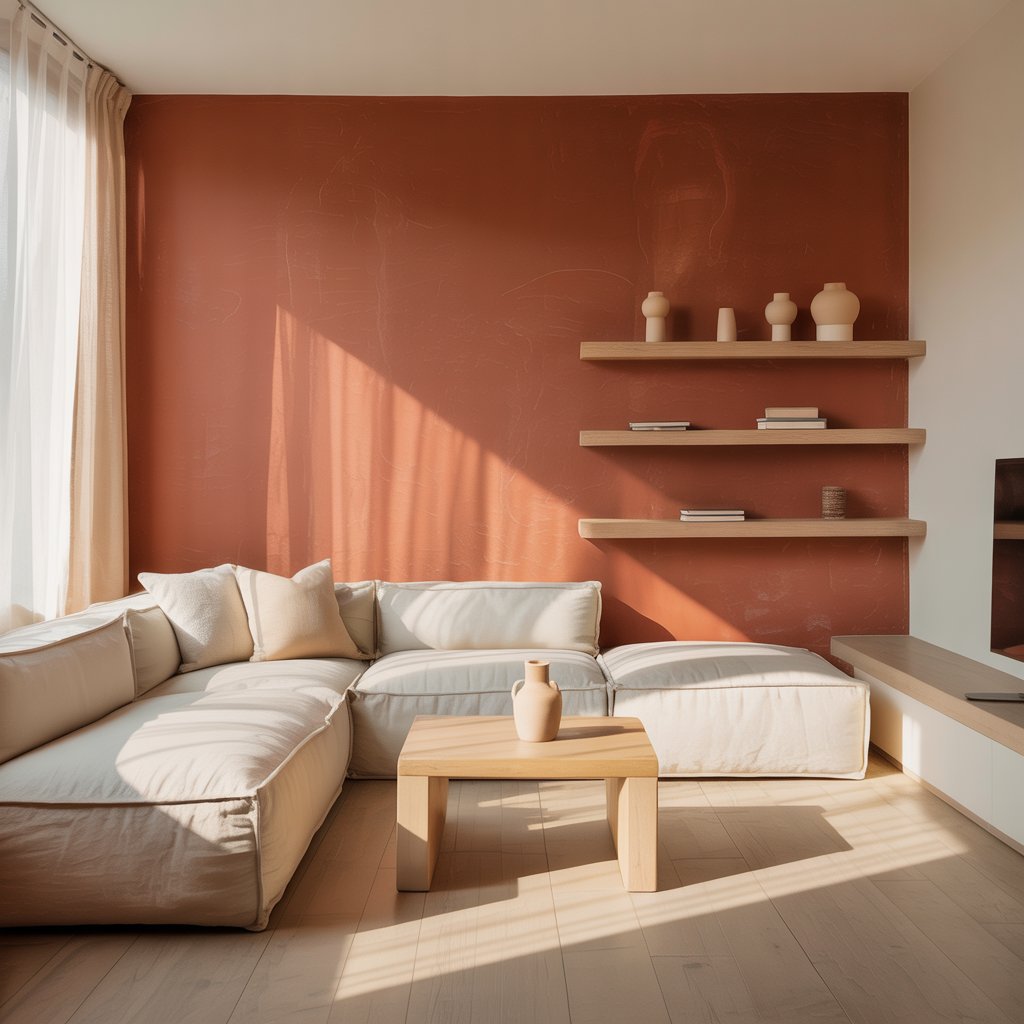
Muted Terracotta
Earthy tones create warmth and personality without feeling overwhelming.
These options are often used in thoughtful wall colour combinations living rooms that balance light and contrast.
Best Small Living Room Paint Color Combinations
Choosing a single small living room paint color is helpful, but combining colors thoughtfully creates the most balanced results.
Here are several successful color combinations for living room palettes.
Quick Paint Color Cheat Sheet
If you’re in a hurry, here are safe choices:
• Want the room bigger → Warm off-white or greige
• Want cozy → Cream or sandy beige
• Want calm → Pale blue or sage green
• Want character → Navy accent wall
Minimalist & Calm
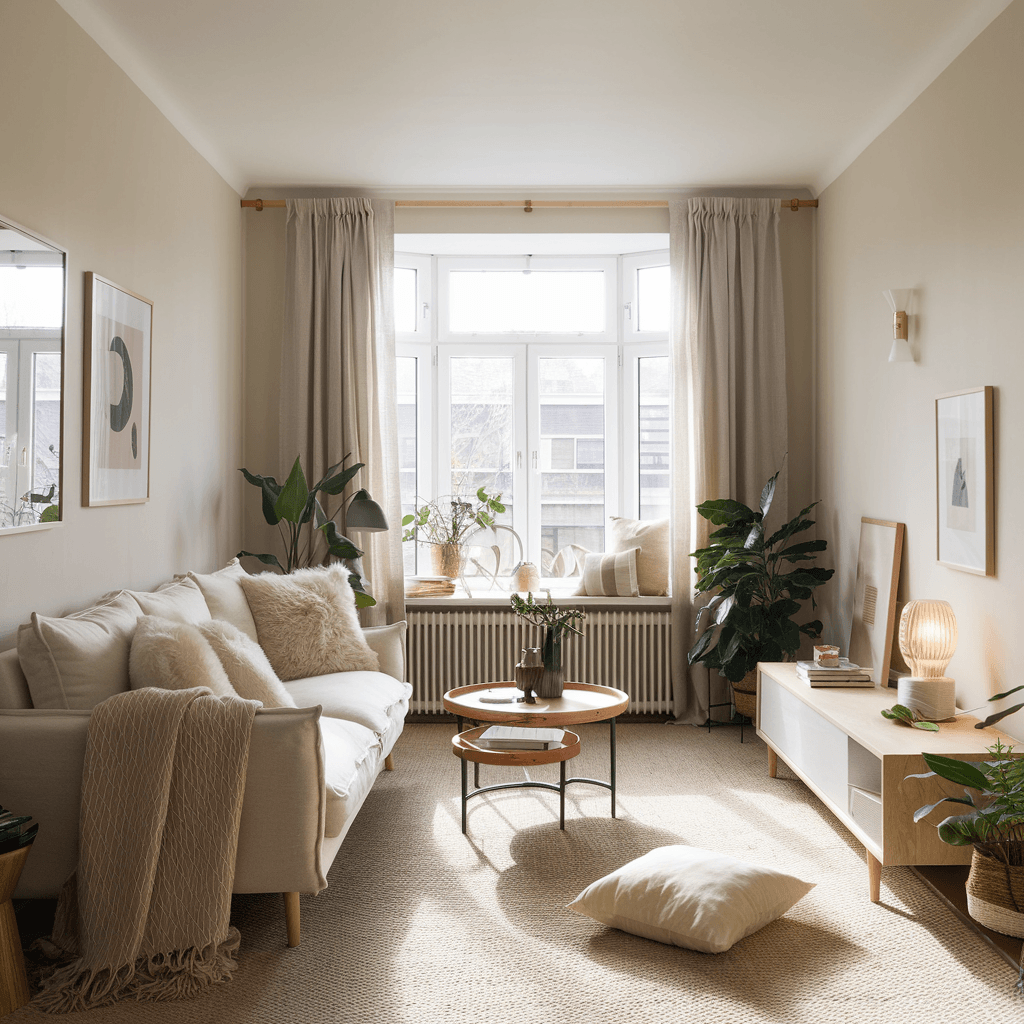
Warm off-white + beiges
Cream + dusty sage
These palettes feel quiet, elegant, and timeless.
Bright & Airy
Pale blue + natural wood accents
These combinations reflect light and create uplifting spaces.
Earthy & Cozy
Muted olive + sandy beige
Terracotta + warm taupe
These combinations build depth while maintaining warmth.
Depth Without Clutter
Navy accent wall + light neutral walls
Forest green accent + warm beige backdrop
These palettes demonstrate how thoughtful wall color combination strategies can add dimension without making a room feel crowded.
How to Choose Colors Based on Your Space
Selecting the right small living room paint color depends heavily on the characteristics of your room.
Natural Light Matters
Light direction strongly influences how colors appear.
North-facing rooms
These spaces tend to receive cooler light. Warm undertones often create balance and comfort.
South-facing rooms
These rooms receive warmer sunlight. Soft cool neutrals can feel refreshing and balanced.
Considering light direction helps determine the best color for living room walls in your home.
Furniture and Décor
Your existing furniture should guide your colour palette for living room decisions.
Look closely at:
- sofa fabric undertones
- wood finishes
- rug colors
Testing paint samples next to these materials helps avoid clashes.
Room Size and Shape
Different layouts benefit from different strategies.
Long narrow rooms
Using lighter colors on the far wall can visually expand the space.
Square rooms
Introducing a gentle accent wall can add depth and interest.
These strategies help create balanced living room color designs that feel intentional.
Expert Color Selection Tricks
Professional designers use several techniques when selecting small living room paint color palettes.
Test Paint in Real Light
Always test samples directly in the room.
Paint small boards and observe them:
- in morning light
- during the afternoon
- under evening lighting
You will often notice subtle undertone changes.
Use Visualization Tools
Many paint brands now offer digital tools that allow you to preview wall colour combinations living rooms before committing.
While not perfect, they can help visualize possibilities.
Start With What You Love
Trends come and go. Instead of chasing popular colors, choose tones that genuinely feel comfortable and personal.
This is the key to creating timeless colour schemes for living room spaces.
Mistakes to Avoid When Choosing Paint Colors
Even great colors can fail if applied incorrectly.
Too Many High-Contrast Colors
Excessive contrast can create visual noise and make a small room feel busy.
Brilliant White Everywhere
Pure white often feels too sharp for small living rooms.
Soft whites or warm neutrals usually work better.
Choosing Without Testing
Digital swatches rarely represent real life. Always sample the color in your room before committing.
Avoiding these mistakes will help ensure your small living room paint color supports harmony rather than disruption.
If you just discovered, this is the reason why your small living room feels a bit off – don’t worry, paint is the easiest (and relatively cheapest) feature to modify.
If you’ve already painted the living room and the color doesn’t feel right, don’t stress about it. Painting is one of the easier things to redo—just repaint it. And if you don’t feel like doing it right away, walls usually get a fresh coat of paint every few years anyway, so you’ll have another chance to pick the perfect color.
Quick Decision Framework for Your Paint
If choosing paint still feels overwhelming, follow this simple checklist.
- Identify the direction of natural light
- Choose a soft base neutral
- Add one accent color if desired
- Test samples for at least 48 hours
- Compare samples next to furniture and décor
This process simplifies selecting the best paint colors for living room interiors.
A Thought to Take Away – Make Color Work With Your Life
The best small living room paint color is ultimately the one that supports how you live and how you want your home to feel.
Small spaces do not need to be boring. In fact, thoughtful color choices can bring personality and character into compact living rooms.
As an architectural principle, timeless interiors often rely on harmony rather than excess.
Instead of filling a room with many bold elements, it is often better to create a calm foundation and let character emerge through texture, materials, and carefully chosen objects.
Interesting shapes, natural materials, and a cohesive furniture collection can add depth without visual clutter.
The best small living room paint color is ultimately the one that supports how you live and how you want your home to feel.
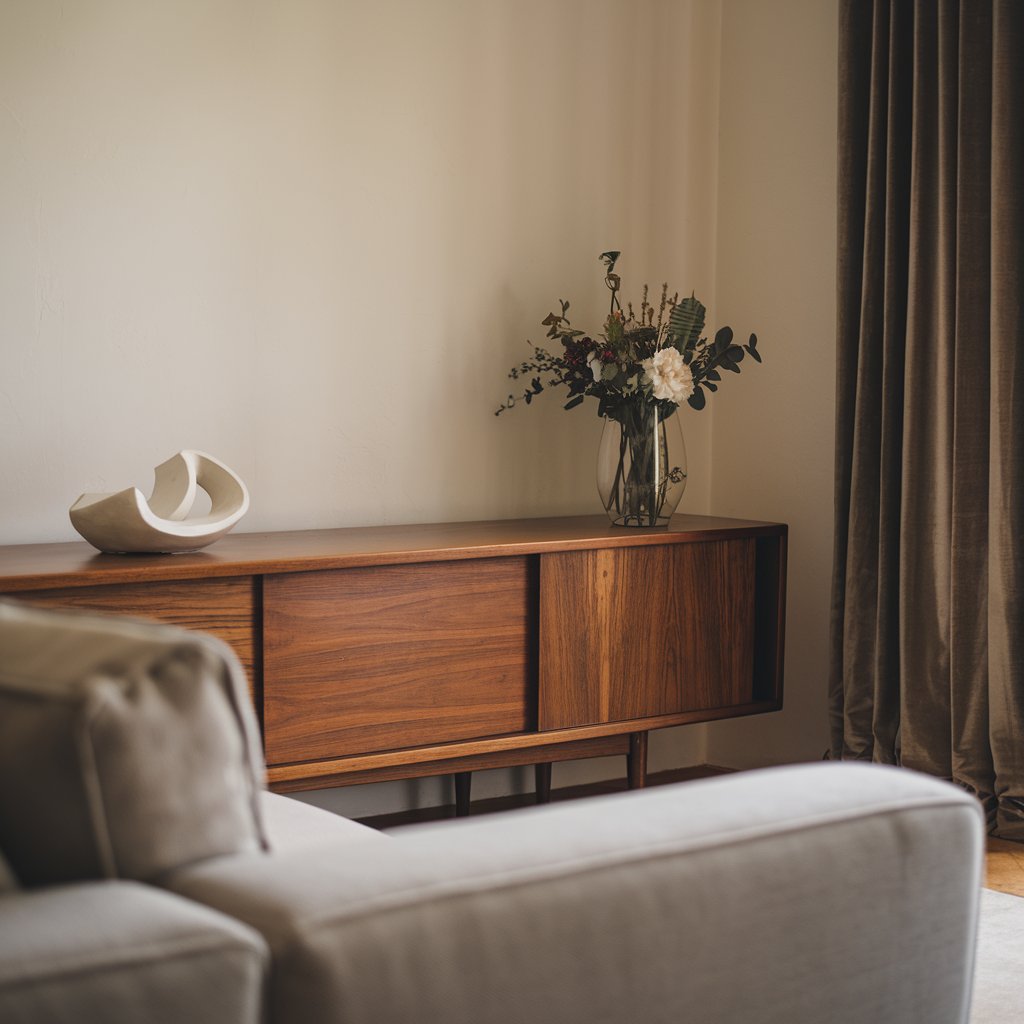
Before you pick your final color, try asking yourself a few quick questions:
- Do I want my living room to feel bright and airy or warm and cozy?
- What undertones already exist in my sofa, rug, or furniture?
- Will this Small Living Room Paint Color still feel good in the evening with lamps on?
Taking a few minutes to think about these details can make choosing the best color for living room walls much easier—and help you avoid repainting later.
Before You go…
If you’re still deciding on your small living room paint color, don’t rush the decision. The right color often becomes clear once you compare a few ideas and see how they work with your light, furniture, and materials.
Save this guide for later so you can come back to these color ideas when you start testing paint samples in your living room.
And if you’re planning a full living room refresh, these guides will help you design a space that feels cohesive and beautiful:
• Read next: Ambient Lighting Living Room Ideas – learn how lighting and wall color work together to create a cozy atmosphere.
• More lighting tips for your small studio apartment: Lighting Rules for Small Spaces – learn how lighting works best in different rooms of your home
• Explore: Small Living Room Layout Rules – guidelines and smart furniture arrangements that make compact spaces feel bigger.
• Also helpful: Bathroom Color Combination Ideas – perfect if you’re planning to refresh multiple rooms in your home.
A thoughtful small living room paint color, combined with the right lighting and layout, can completely transform how your home feels.
And sometimes, a simple change of color is all it takes to make a small living room feel like your favorite place in the house.