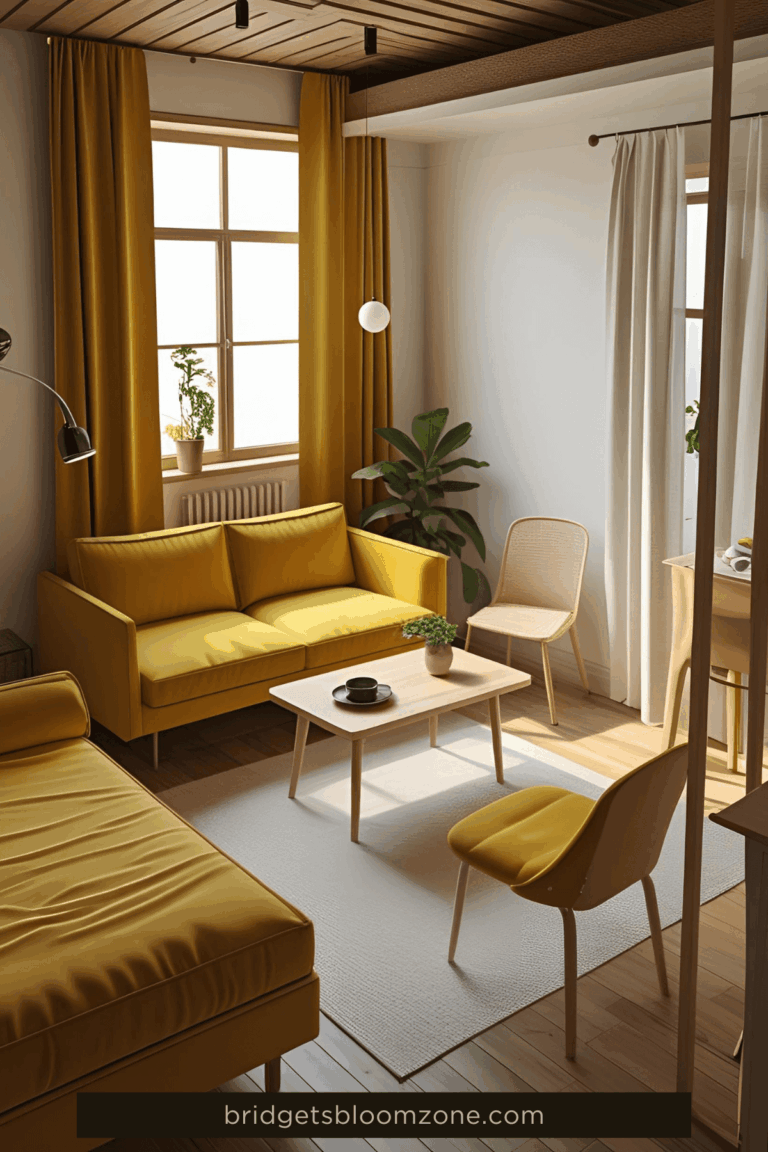
Luxury Living Room Ideas That Work Best in Small Apartments
There is a version of a luxury living room that most of us grew up believing in — the one with high ceilings, rooms opening dramatically into one another, marble surfaces, and space to spare.
It is the version that shaped how people talk about what a “nice home” should feel like. And for most of us living in small apartments, it is the version that quietly suggests our space cannot qualify.
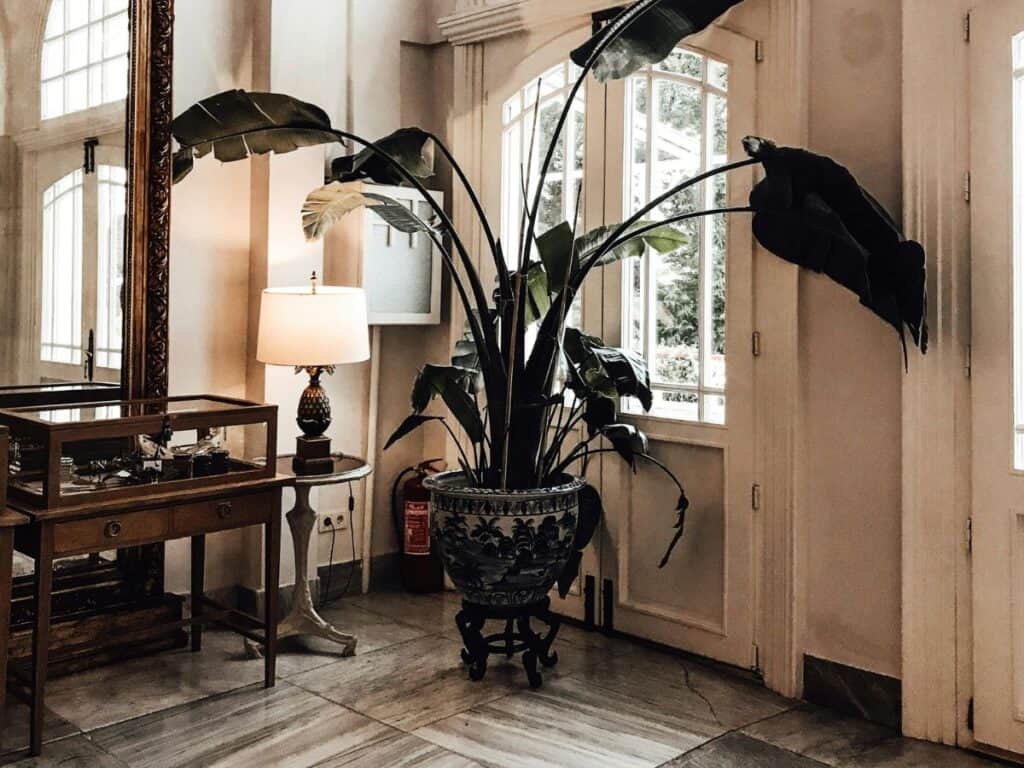
I grew up in a house built in the early 1900s, genuinely beautiful in its materials and proportions. But the layout was designed for a very different kind of life: three rooms flowing into each other for a family of five with no calm place to land.
The high ceilings were borrowed from the homes of the wealthy, copied faithfully as a signal of aspiration. Copying one element of a luxurious space does not make a home luxurious. Without understanding how the people inside it actually live, a grand gesture becomes just that — a gesture.
That experience shapes how I think about my own studio apartment renovation, and how I think about small spaces generally. The square metres may be limited. But quality is not the same as grandeur, and a small room understood clearly can hold more of the former than a larger one that simply borrowed the look of the latter.
What Does Luxury Actually Mean in a Living Room?
Why the Word Has Drifted — and What It Points to When Used Carefully
The word luxury is used so loosely now that it has nearly lost its meaning. It gets attached to everything from mattresses to cleaning sprays to apartment listings. But in the context of a home — a room you return to every day — it is worth slowing down and asking what it actually describes.
What most people mean when they say they want a more luxurious living room is not that they want more expensive objects.
They want a room that feels easy to be in.
Calm rather than chaotic. Warm rather than clinical.
Personal rather than assembled from a catalogue.
These are qualities that have almost nothing to do with budget and everything to do with intention.
That is the definition worth holding onto. A luxury living room, in the most honest sense, is one where the experience of being inside it feels genuinely good. Not performed. Not borrowed. Genuinely good.
Why a Smaller Room Can Hold This Quality Just as Well
A smaller room offers something that larger ones often cannot: completeness. When a space is modest in scale, every element within it is in conversation with every other element.
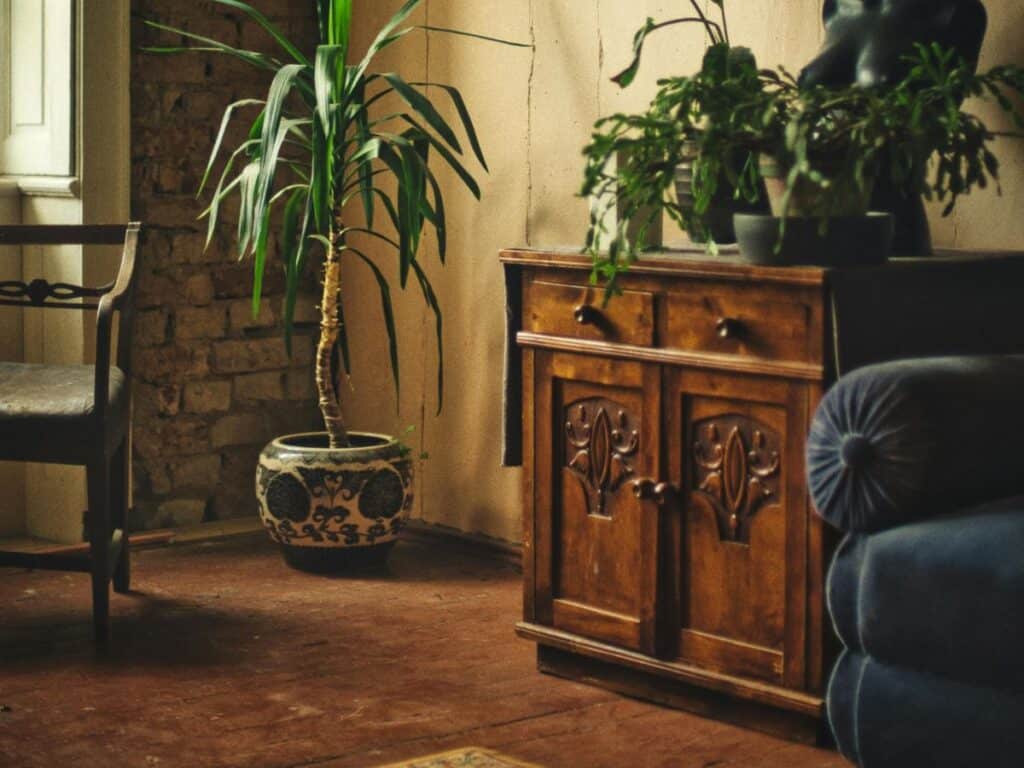
A well-chosen sofa, a lamp placed with thought, a single shelf with a few considered objects — these things carry more visual weight in a small room precisely because there is nothing to dilute them.
More than that, a small space asks you to understand how you live before you can make it work. That constraint turns out to be useful. The homes that feel most genuinely comfortable — regardless of size — tend to be shaped around real habits and real needs, rather than around an image of what a nice home should look like.
In that sense, a small apartment is not a compromise to overcome. It is a clearer brief.
What Do People Really Want from a Luxury Living Room?
When people search for luxury living room ideas, they are usually expressing one of a few clear wishes. It is worth naming them directly, because the answers are more within reach than most people expect.
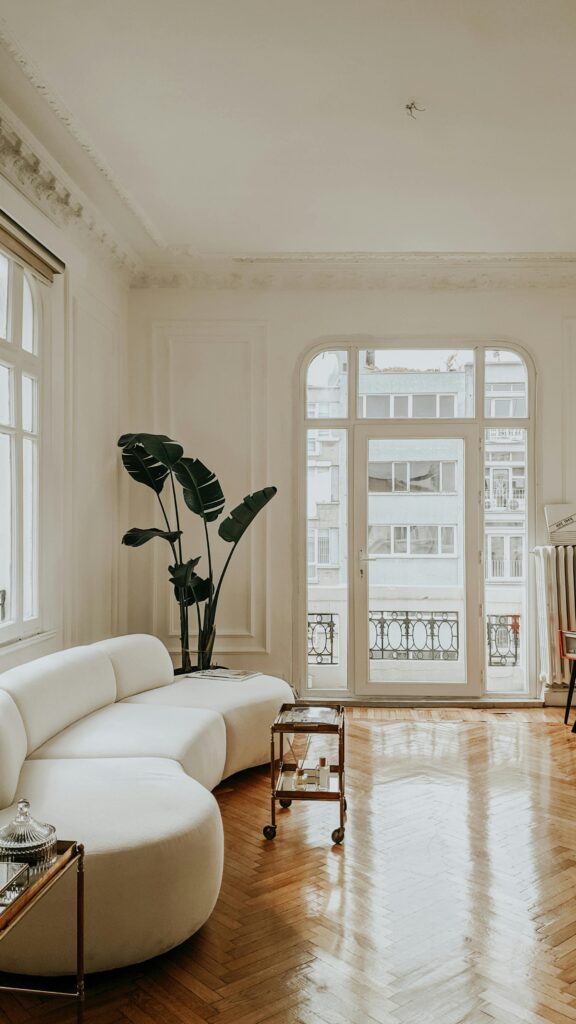
A Room That Feels Calm and Uncluttered
This is the most common wish, and the most achievable. Research has consistently found a direct link between cluttered home environments and elevated cortisol — the body’s primary stress hormone, with the effect measurably more pronounced in women than in men.
The practical implication is straightforward: the fewer things competing for your attention, the more restful a room feels. This is not minimalism as an aesthetic. It is a measurable effect on how a space makes you feel.
In a small living room, the decision to remove something is often more powerful than the decision to add something.
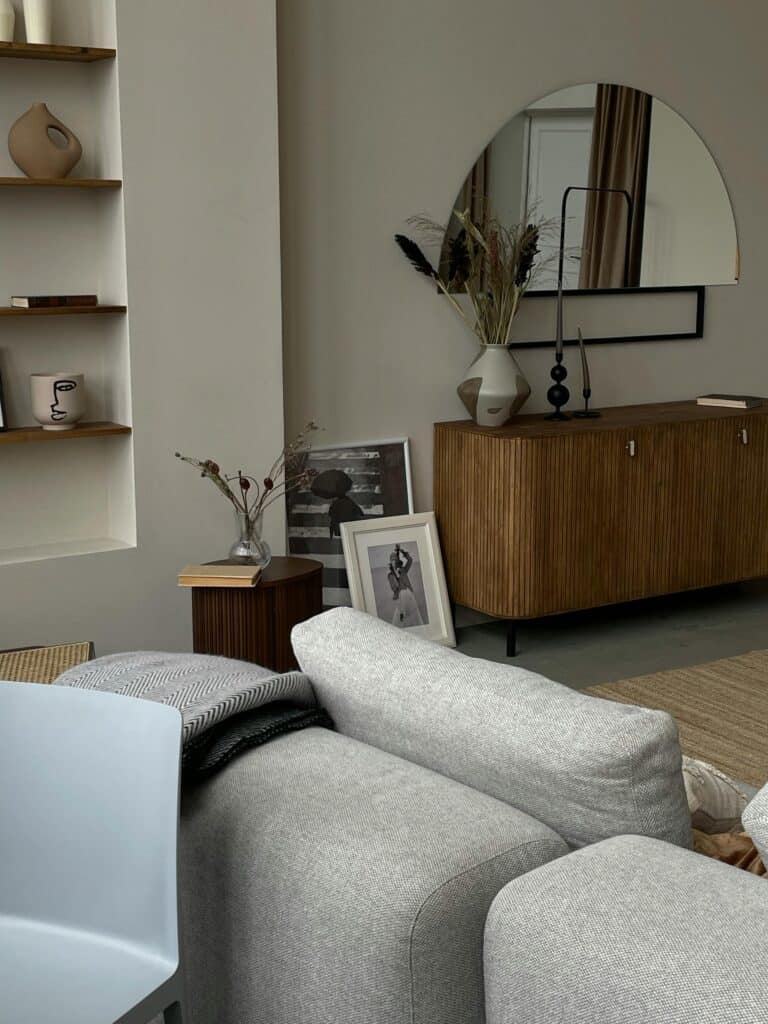
A surface that is mostly clear communicates ease. A shelf with three considered objects communicates more than a shelf crowded with twelve.
A Room That Feels Warm, Not Assembled
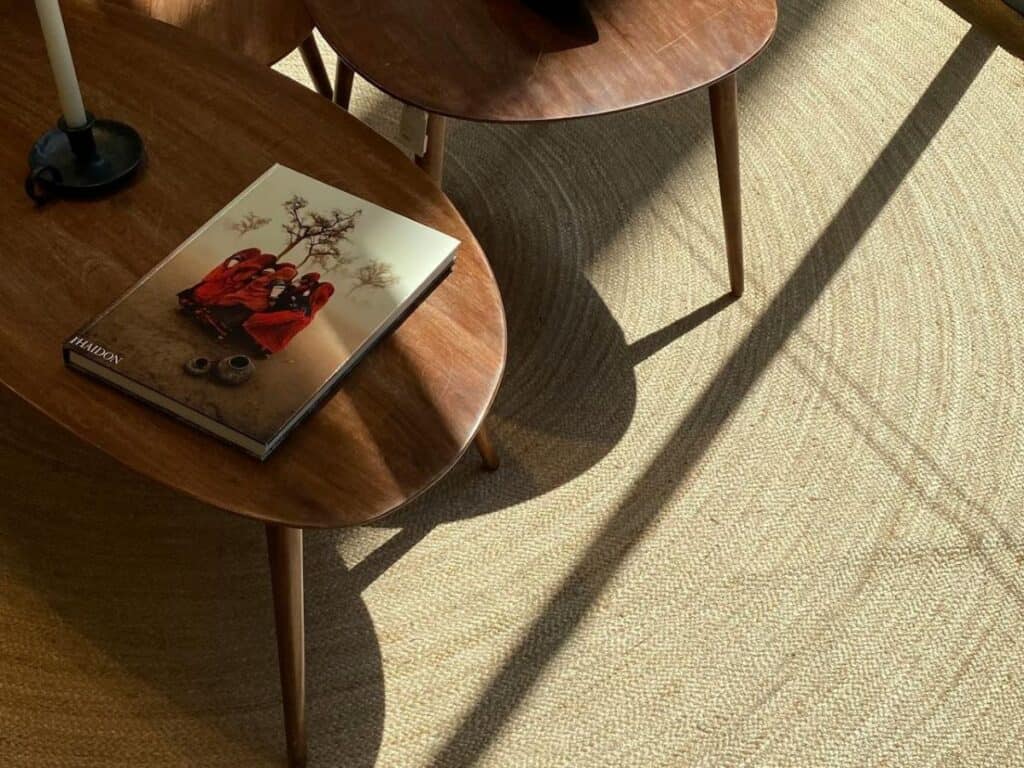
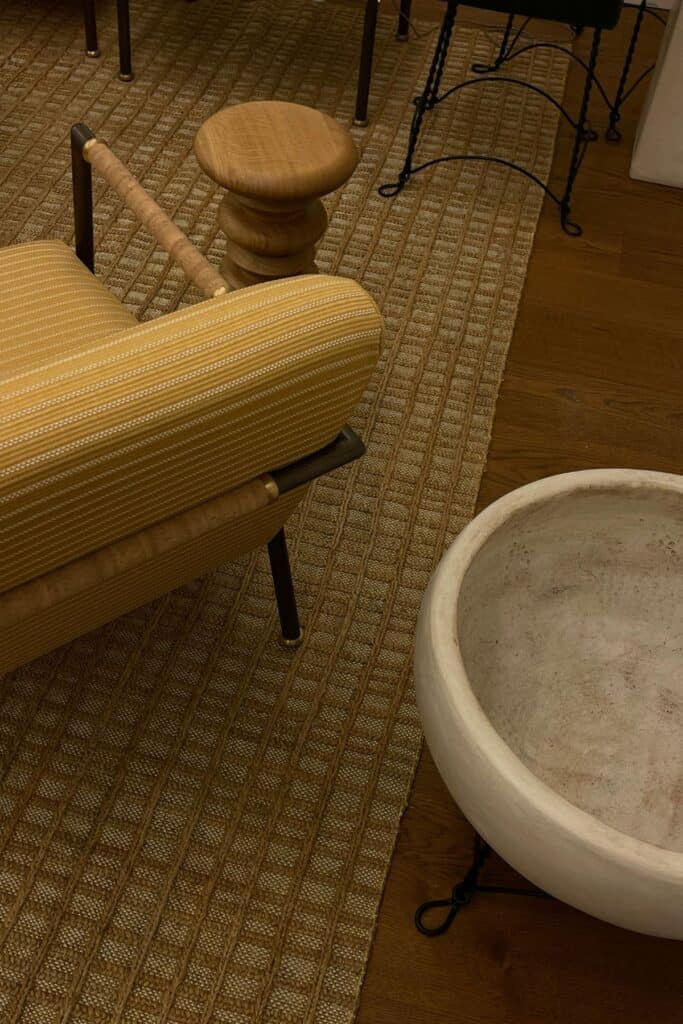
This is where real materials earn their place. Linen, wool, unfinished wood, natural stone — these materials age in a way that synthetic alternatives do not.
They develop a quality over time that is almost impossible to manufacture: the look and feel of a space that has been genuinely lived in.
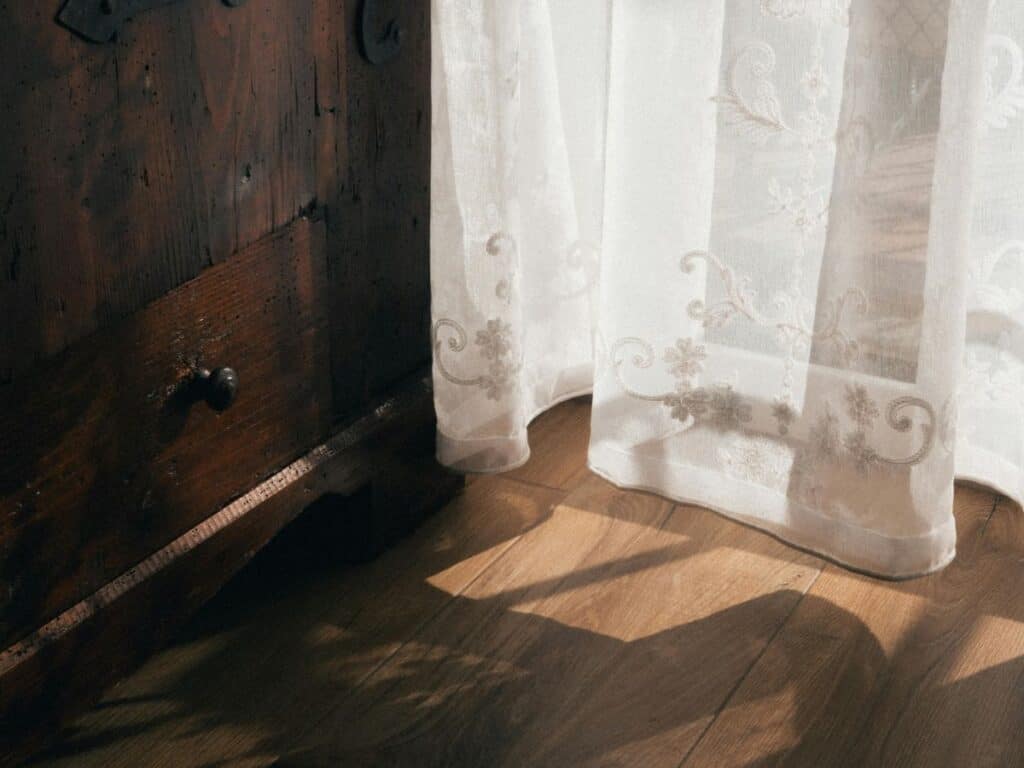
Research into biophilic design — the integration of natural elements into interior spaces — has found that materials with natural textures create a calming sensory response, in part because they connect the indoor environment to the qualities of the natural world.
In a small room, where every surface is within reach, the tactile quality of what you choose is felt more directly than in a larger space.
A linen cushion that has been washed a few times, a wooden side table worn smooth at the edge — these details signal that someone actually inhabits this room. That is what warmth in a living space actually means.
A Room That Feels Personal, Not Like a Catalogue
Personalisation does not require many objects. It requires the right ones.
The homes that feel most considered — regardless of size — tend to hold a small number of things that clearly mean something to the person who lives there, placed with some thought rather than gathered over time and arranged wherever there is room. This is a practice more than a purchase.
The Luxury of Restraint — Why Editing Is a Design Act
What the Homes of the Genuinely Wealthy Actually Look Like
One of the clearest lessons I took from a period of work I rarely talk about — cleaning luxury homes and villas — was this: the people who lived in those spaces did not fill them.
There were personal objects, occasionally something beautiful on a shelf. But always in the minority.
The rooms felt considered partly because of the materials, but also because of what was not in them. Space itself was treated as something worth protecting.
Studies on home environments consistently show that cluttered spaces contribute to heightened anxiety and a diminished sense of control, while clear, organized rooms promote calm and a feeling of being on top of your surroundings. This is not a design opinion. It is a measurable effect.
In a small apartment, you have a genuine advantage here.
Keeping a larger home well-edited requires either significant time or help — both meaningful resources.
A small, considered living room can be maintained easily. That ease — arriving home to a space that is already calm, already ordered — is itself a form of quality that money alone cannot buy in a larger home.
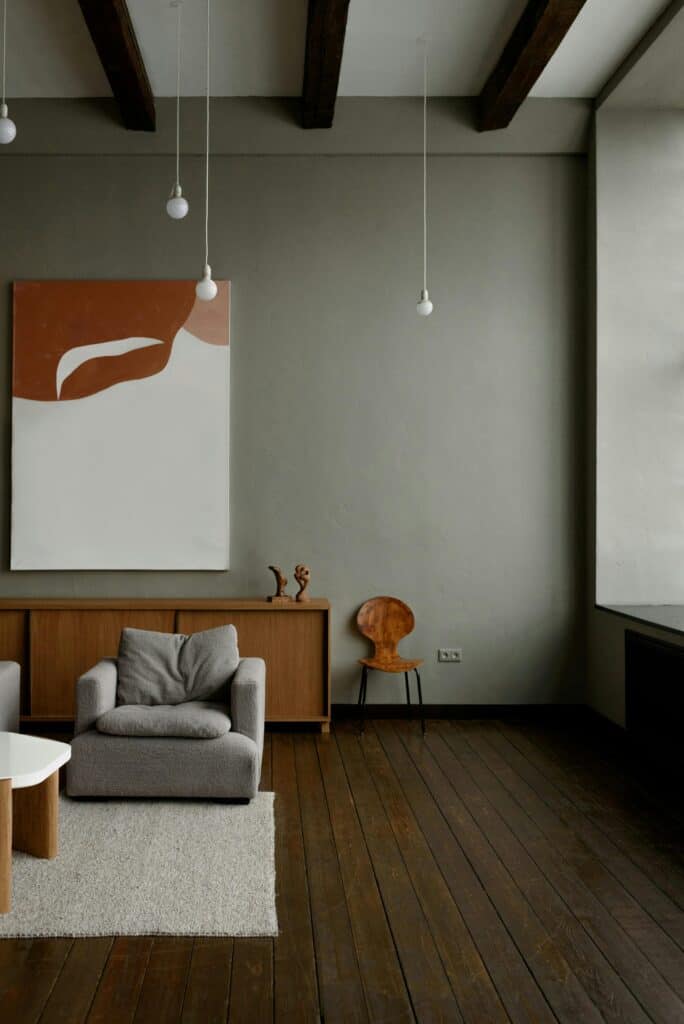
Signs your living room may be asking too much of you:
- Your eye has nowhere to land and rest when you sit down
- You move things aside rather than putting them away
- Surfaces are rarely clear, even after tidying
- The room looks fine in photos but feels unsettled in person
- You avoid the space rather than being drawn to it
For guidance on furniture for small spaces chosen with architectural purpose — pieces that earn their place rather than simply filling it — the six principles in that guide apply directly to how a restrained living room can still feel complete.
The Considered Corner: Making One Zone Beautifully Complete
Rather than attempting to lift an entire room at once, consider making one corner — one zone — as considered as possible. A well-proportioned chair, a lamp at the right height, a small surface for a book or a cup.
That corner will anchor the whole room and give it a quality that spreads outward, even if the rest of the space is still a work in progress.
This is the thinking behind the second layer of a small space — the layer of light, texture, and personal detail that turns a functional room into one that actually feels good to be in.
How Does Lighting Shape the Feeling of a Luxury Living Room?
Why Overhead Light Is the Enemy of Atmosphere
The most common mistake in small living rooms is relying on a single ceiling light source. Overhead lights are useful for tasks, but they flatten a room — removing shadows and depth, and making every surface equally visible.
That evenness is the opposite of what a considered space needs. It reads as functional, not felt.
The lighting rules for small spaces that make the most difference are not about fittings or fixtures — they are about placement and layering.
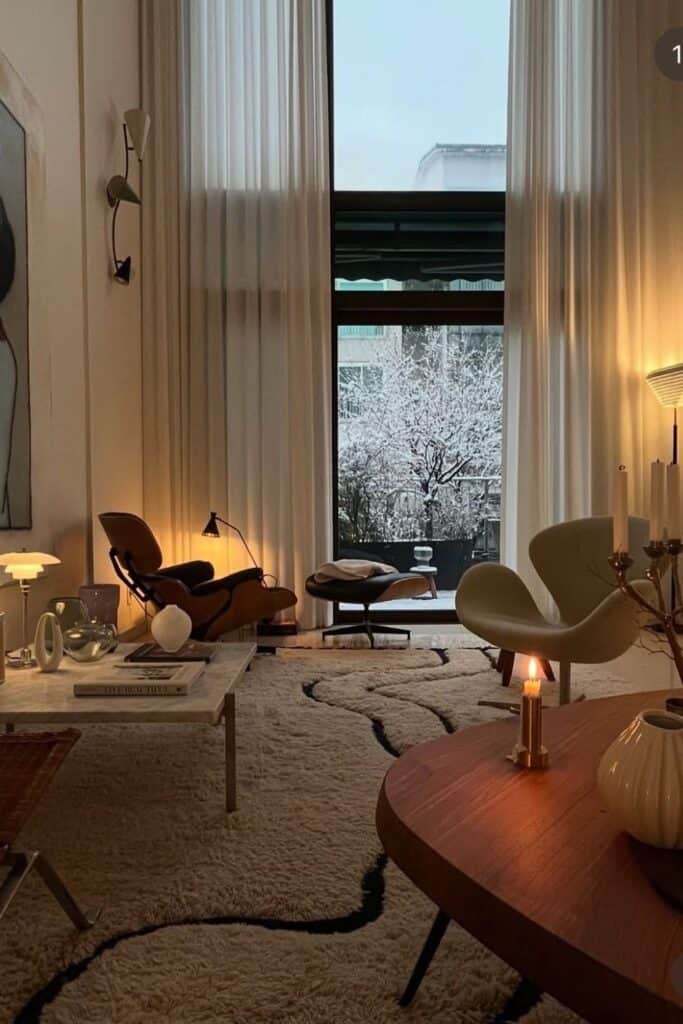
Layered Lighting as the Highest-Return Investment in a Small Space
Layered lighting — a floor lamp in one corner, a smaller table lamp at a lower level, perhaps a wall-mounted fitting — creates pools of warmth that give a room depth and make it feel designed rather than simply furnished.
This effect is difficult to achieve through furniture arrangement alone.
Warm bulbs, around 2700K, produce the kind of light most people associate with calm and comfort.
The ambient lighting guide for small living rooms covers how to build a layered setup that works specifically in compact spaces — including how to create genuinely different moods from the same room depending on the time of day.
This is, by some margin, the highest-return investment you can make in a small living room. It costs less than new furniture and changes how the room feels more than almost anything else.
What Materials and Textures Create Lasting Quality?
Why Natural Materials Age in Your Favour
There is a reason that linen, solid wood, wool, and natural stone appear in rooms that feel enduring rather than dated. These materials change over time in a way that adds rather than detracts.
A linen cover softens. A wooden surface develops a patina. A stone piece becomes familiar.
Synthetic materials tend to age in the other direction — fading, yellowing, or simply looking exactly like what they are.
Research into biophilic design and residential comfort has found that natural materials — wood, stone, cotton — can trigger a measurable reduction in stress, in part because they connect the indoor space to the sensory qualities of the natural world.
In a small living room, where every surface is close at hand, the tactile quality of even a few natural elements is felt more directly than in a larger space.
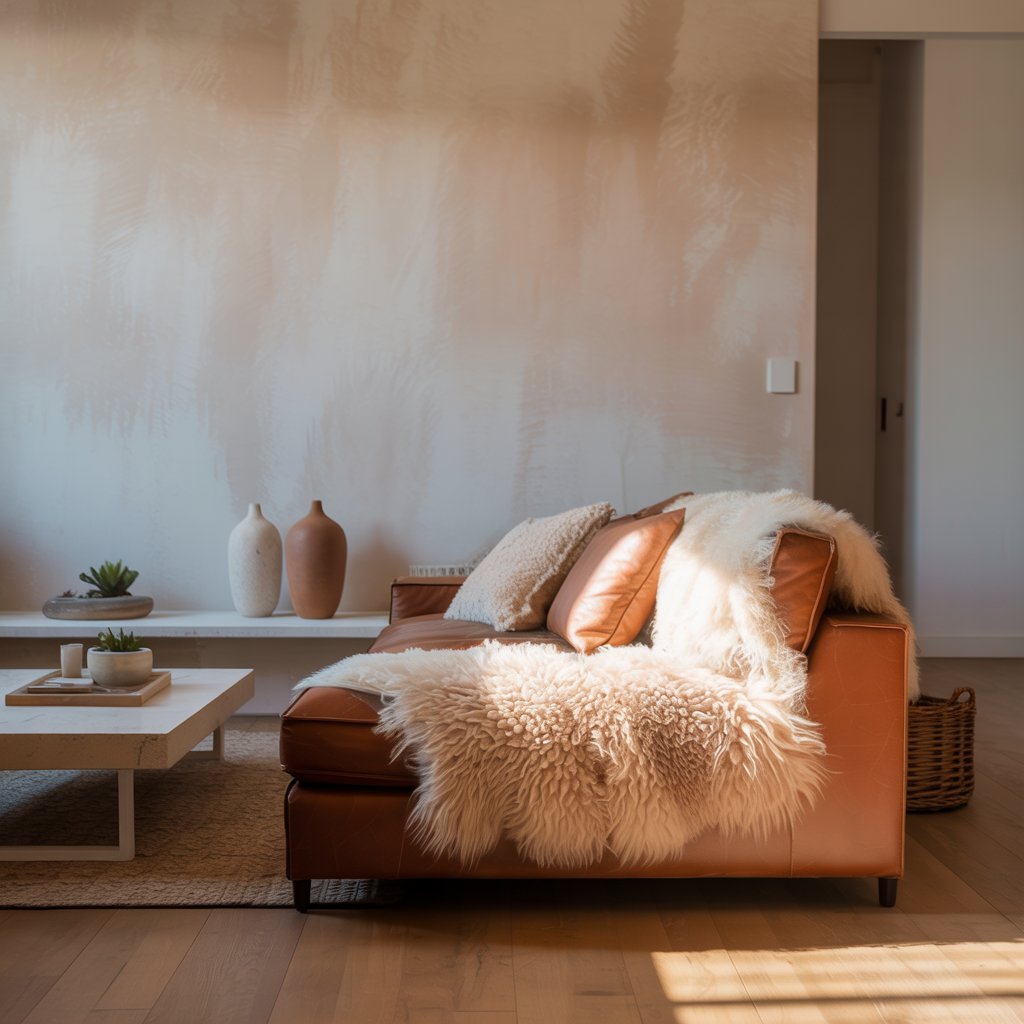
Natural materials worth choosing in a small living room:
- Linen
— cushions, throws, curtains; softens with use, never looks overdone - Solid wood
— side tables, shelving, flooring; develops character rather than wear - Jute or wool
— rugs; adds warmth underfoot, grounds the room visually - Ceramic or unglazed stone
— a single bowl, a lamp base, a planter; tactile, enduring - Cotton
— bedding or throws that double into the living space; honest, washable, lasting
Texture Over Pattern: Quiet Richness Without Visual Noise
Patterns, particularly in small spaces, compete for attention. Texture does the opposite — it adds depth without visual noise.
A textured cushion in a neutral tone, a woven blanket draped over the arm of a sofa, a rough-plastered wall in its natural colour — these details create an impression of richness without demanding to be looked at constantly. They reward the eye when it settles on them, and they recede when it does not.
This is the quieter kind of visual interest. It does not shout. It simply holds.

The One Considered Object vs. Many Ordinary Ones
One well-made ceramic bowl on an otherwise clear shelf carries more presence than a dozen collected objects that arrived without intention.
This is the quiet logic behind how the most enduring interiors hold their quality over time — not through accumulation, but through selection. A single beautiful thing, placed where it can be seen, does more for a room than a gallery wall assembled over several years of indecision.
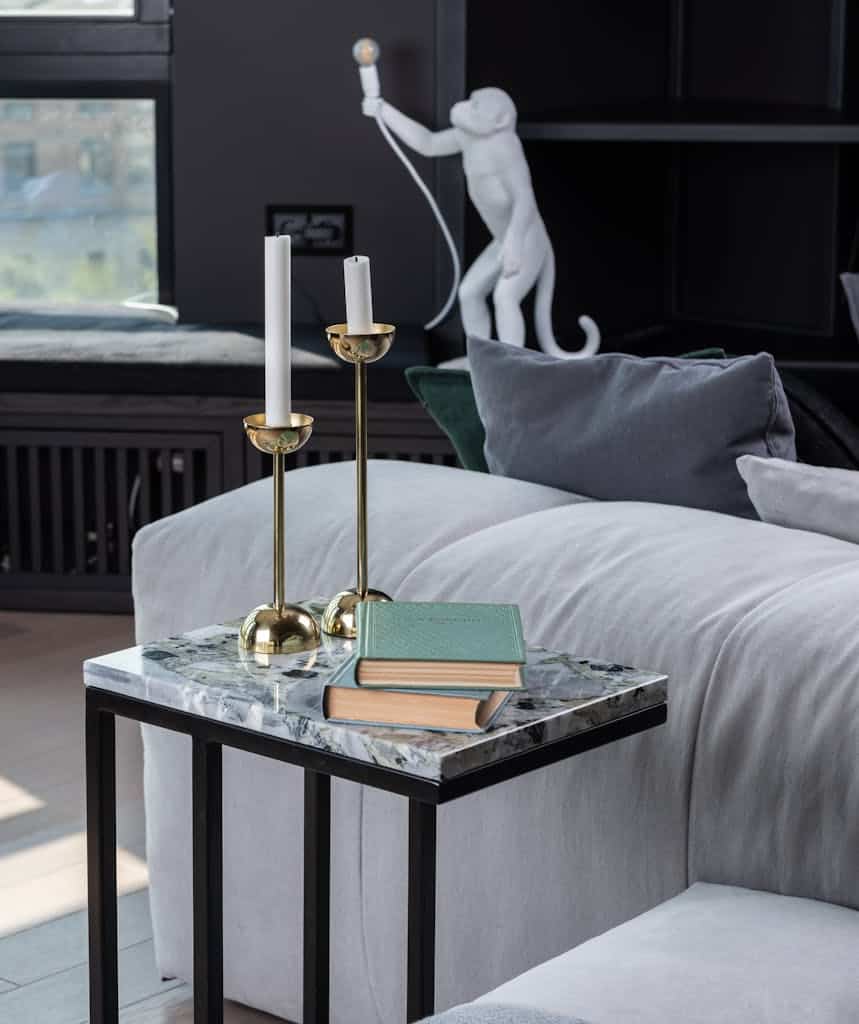
Can a Small Living Room Feel Both Well-Designed and Functional?
Why Function and Quality Support Each Other
This is the tension most people feel most acutely, and it deserves a direct answer: yes, and the two qualities support each other more than they compete.
A room that functions well — where the sofa sits in the right position for the room’s circulation, where there is a surface at the right height for a lamp and a book, where storage keeps surfaces clear — is a room that can also feel restful.
Poor function creates friction, and friction is the enemy of the ease that a genuinely good living room requires.
Getting the small living room layout right is therefore not a practical concern separate from the feel of the room. It is foundational to it. A room that works well is a room that can finally rest.
Where Multifunctional Furniture Fits In — and Where It Doesn’t
Multifunctional living room furniture earns its place not as a space-saving trick, but as a way of keeping surfaces and floor area clear — which returns us to the same principle that runs through this entire post.
In a small room, what you choose not to have is as important as what you choose to include.
The pieces worth choosing are those that perform their function without advertising it. A storage ottoman that reads as seating. A side table with a small drawer that keeps surfaces uncluttered. The goal is not clever furniture — it is a room that feels unconstricted.
A Different Kind of Luxury, Already Available to You
The luxury living room ideas that work best in small apartments share something in common: they are not primarily about objects.
They are about the quality of experience a room creates — the ease of moving through it, the warmth of its light, the tactile honesty of its materials, and the calm that comes from a space that is not asking anything of you.
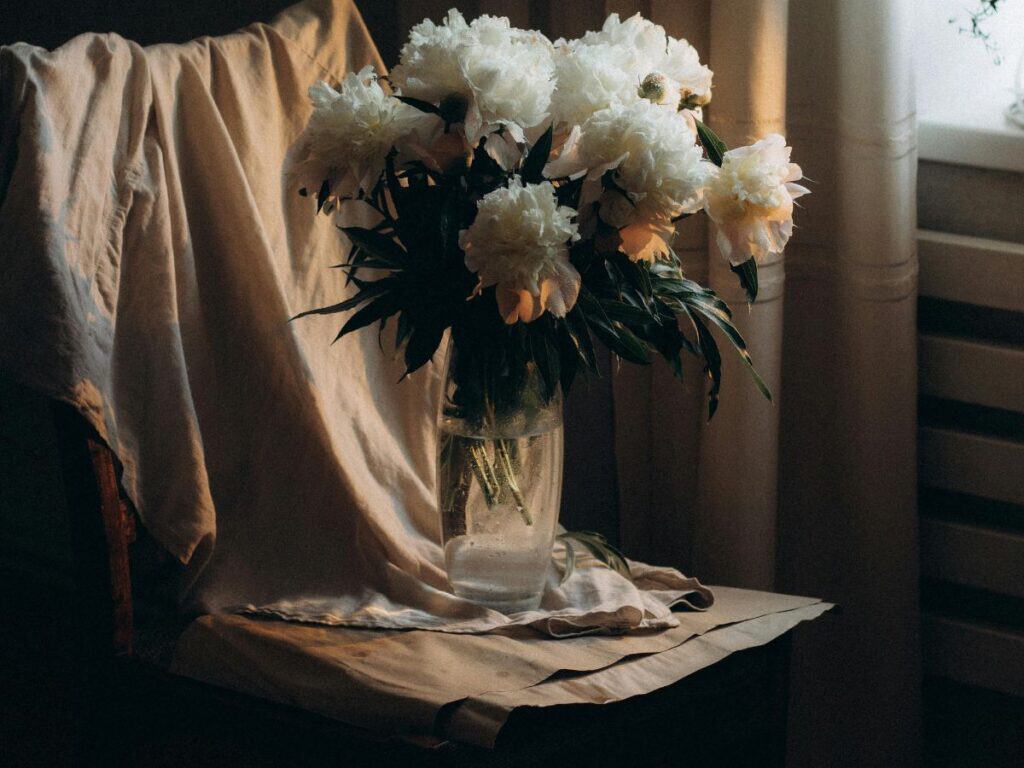
Three things worth taking from this:
- Reframe the word.
A luxury living room is not about scale or expense — it is about how a room feels to be in every day. That quality is available in any size of space. - Edit before you add.
In a small room, removing something is often a more powerful design act than adding something new. - Invest in light and natural materials.
These two things, more than any others, shape how a space feels. Neither requires a large budget.
If you are in the middle of making these decisions for your own space, the renovation diary is a real and ongoing record of exactly this process — including the moments where things do not go to plan.
And if you have one thing in your living room that already makes it feel genuinely good to be in, I would love to hear about it in the comments below.